LTL Shipping Services for Smaller Commercial Freight

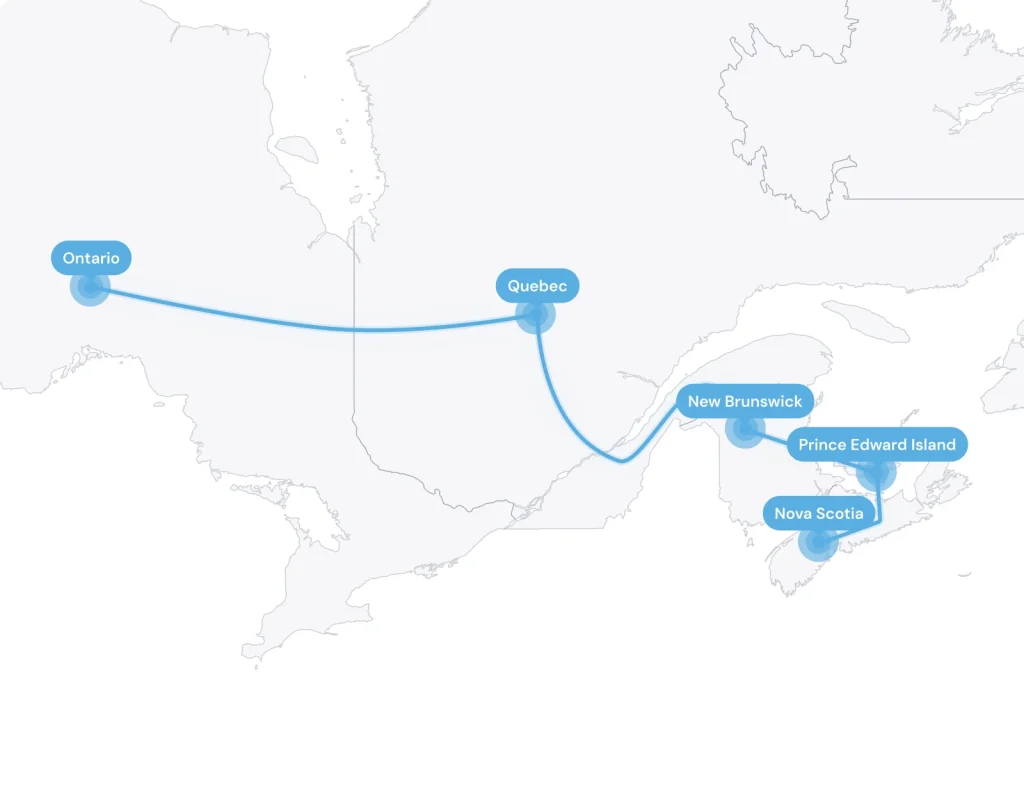
When your shipment does not fill a full trailer, you should not have to pay for one. Dependable Freight Solutions provides LTL shipping across all major cities in Canada. Our LTL services cover Ontario, Quebec, and Canada’s East Coast, giving businesses a practical way to move smaller commercial loads on a reliable schedule. Share your pallets, weight, and destination, and we will help plan the right less-than-truckload service for your freight.

What Is LTL Shipping?

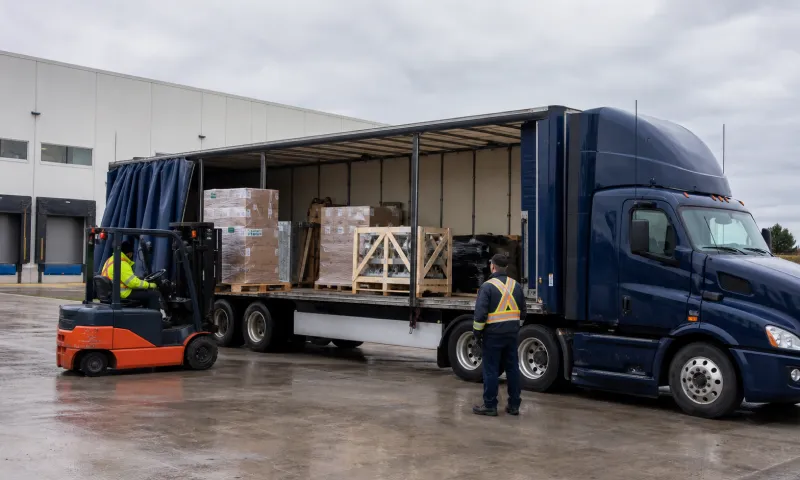
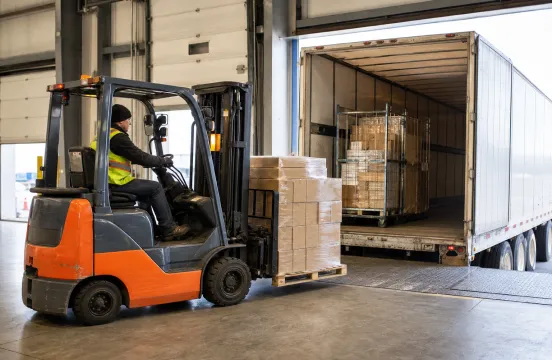
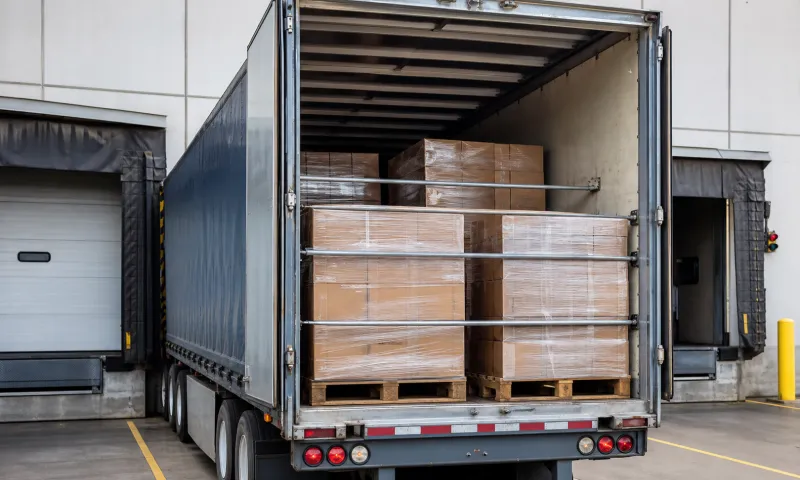
LTL shipping, short for less than truckload, is a freight service for shipments that are too large for a parcel but too small to fill an entire trailer. Instead of booking a whole truck, your freight shares trailer space with other shipments heading in the same direction, and you pay for the portion of the trailer you use.
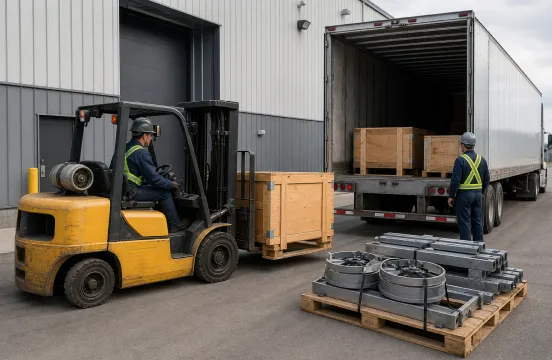
Most LTL freight falls between one and six pallets, or roughly 150 to 15,000 pounds, though the right fit depends on space and handling rather than weight alone. It is a common choice for businesses that ship steady, moderate volumes and want to control costs without waiting to build a full load. As an LTL carrier working the Ontario to East Coast corridor, we consolidate compatible freight so each shipment moves efficiently.

Is LTL Shipping Right for Your Business?

LTL is not the answer for every load, and knowing when it fits saves you money and hassle.
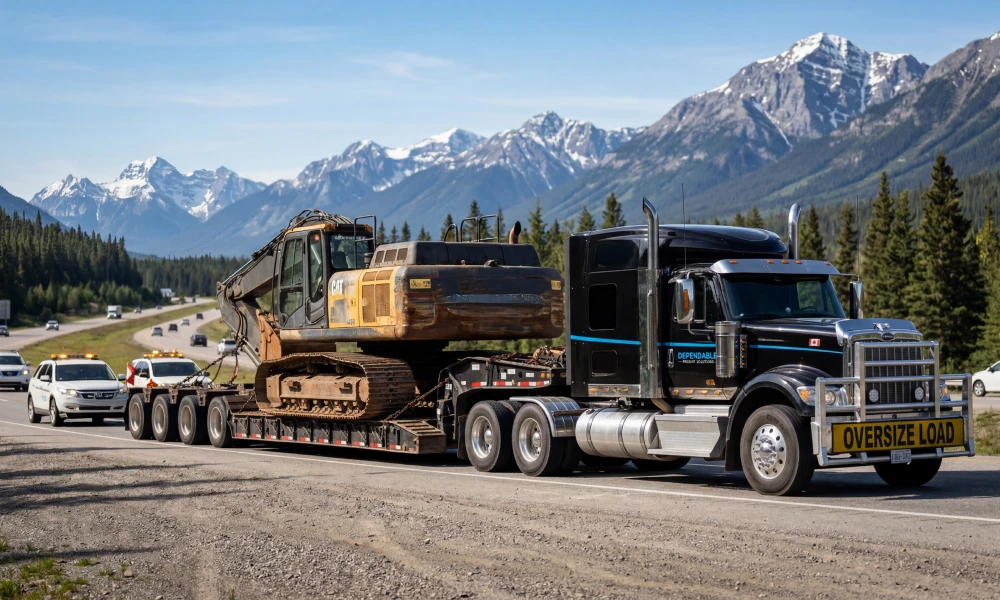
If your shipment leans toward the second list, a dedicated truckload or heavy-haul service may serve you better. Compare our FTL Shipping and Heavy Haul Transportation services. Not sure where your freight lands? Our team can review the details and point you to the right service.

LTL is usually a good fit when you are shipping:

LTL is often not the right fit when you have:

Benefits of LTL Freight

Pay for the space you use.

You are not covering the cost of an empty trailer, which makes LTL a cost-aware option for smaller loads.

Ship more often.

Because you do not need to wait to build a full load, LTL supports frequent, smaller deliveries and steadier inventory flow.

Ship more often.

Scale as you grow. As your volume increases, it is straightforward to move from LTL to FTL without changing providers.

Ship more often.

Flexible for commercial freight. Palletized goods, packaged products, and business supplies all move well through less-than-truckload service.

Ship more often.

Coordinated handling. Working with an experienced LTL freight carrier means your shipment is planned around real routes, timing, and handling needs.
Not sure LTL is your cheapest option?

Send us the details and we will help you find out.

VARIATION B · GUIDED SERVICE ROWS

LTL vs FTL: Which One Fits Your Shipment?

Start with your shipment profile, compare the benefits, then open the service that fits.

LTL

Smaller commercial shipments

Capacity Arrangement

Shared trailer capacity

Typical Freight

Pallets, packaged goods and business supplies

FTL

Large, sensitive or urgent shipments

Capacity Arrangement

Dedicated trailer capacity

Typical Freight

High-volume freight, inventory and equipment

Heavy Haul

Oversized, overweight or specialized cargo

Capacity Arrangement

Specialized trailer and route planning

Typical Freight

Machinery, industrial equipment and large components

LTL vs FTL: Which One Fits Your Shipment?

Factor LTL (Less Than Truckload) FTL (Full Truckload)
Best for Smaller commercial loads, 1 to 6 pallets Large or full-trailer loads
Trailer capacity Shared with other shipments Dedicated to your freight
Cost model Pay for the space you use Pay for the whole trailer
Handling More stops and transfers Fewer transfers, direct route
Transit time Can be longer due to consolidation Often faster, point to point
Typical freight Pallets, packaged goods, supplies High-volume, sensitive or urgent cargo
If you regularly hover near a full trailer, or your freight is fragile, high-value or time-critical, a full truckload can be the smarter choice. See our FTL Shipping page for details.

How LTL Shipping Works

1.

Share your shipment details.

Provide the number of pallets or units, weight, dimensions, freight description, pickup and delivery locations, and your requested date.

2.

Confirm freight class and space.

We review the freight class and the space your load needs so the shipment is quoted and planned correctly.

3.

Consolidate and route.

Your freight is grouped with compatible loads traveling the same corridor, then routed for an efficient trip.

4.

Pickup and transport.

We confirm pickup details and move your shipment along approved LTL lanes between Ontario, Quebec, and the East Coast.

5.

Delivery.

Your freight is delivered to the approved destination according to the planned arrangement.

What LTL Shipping Costs in Canada

There is no single flat rate for LTL. Pricing is calculated per shipment, which is why two loads on the same lane can cost different amounts. Understanding the inputs helps you quote smarter and avoid surprises.

How to keep LTL costs down:

What influences your LTL price:

Equipment and Specialized LTL Options

Most LTL freight moves on covered or open-deck equipment, and the right choice depends on how the load must be handled and protected. We match equipment to your freight, not the other way around.

Roll-Tite LTL

Weather protection with the loading flexibility of an open deck. Suits palletized goods, steel, lumber, and building materials that must stay covered in transit.

Flatbed LTL

For smaller loads that need open-deck access from the side, rear, or overhead.

Step deck LTL

For partial loads that sit taller than a standard flatbed allows and need added vertical clearance.

Lowboy and RGN

Lowboy and RGN decks are not used for LTL. Freight that needs those trailers moves as a dedicated heavy haul run.

Industries That Rely on LTL Freight

LTL suits many sectors that ship steady, moderate volumes. Handling, packaging, and timing differ by industry, and we plan each shipment with those needs in mind.

LTL Shipping Across Canada:

Covering all Major and Minor Routes

We run LTL freight along the corridors connecting Ontario, Quebec, and Canada’s Atlantic provinces. Service on any given lane depends on your origin, destination, freight and schedule, so we confirm coverage when you request a quote. Businesses can book a single LTL shipment or set up recurring less-than-truckload moves across approved service areas.

LTL Shipping Across Canada:

How to Prepare an LTL Shipment

Because LTL freight is handled and transferred more than a full truckload, good preparation protects your goods and your budget.

LTL preparation checklist:

Taking these steps reduces the risk of damage, reclassification charges, and delivery delays

Why Choose Dependable Freight Solutions for LTL Shipping

Corridor expertise

Focused LTL service on the Ontario, Quebec, and East Coast lanes rather than a thin national spread.

Right-sized planning

We review your pallets, weight, class and timing to plan the shipment correctly the first time.

Equipment options

Dry van, flatbed and Roll-Tite options based on how your freight must be loaded and protected.

Clear communication

Responsive help through quoting, scheduling, pickup and delivery.

Room to scale

Move smoothly from LTL to full truckloads as your volume grows.

Not sure LTL is your cheapest option?

Send us the details and we will help you find out.

How Do We Move Your Freight Smoothly?

Step 1

Request a Quote

Complete our quick quote form or ring us up and let us know the type of freight, size, destination and required time frame for delivery and we can suggest the most suitable form of transport.
Step 2

We Plan Your Shipment

We will evaluate your shipping needs and determine the appropriate equipment, route and driver for a successful move.
Step 3

Pickup & Transport

We arrive on time, load your cargo safely and offer a comprehensive, safe freight transport service via the most efficient routes.
Step 4

On-Time Delivery

Our shipments are delivered safely on time to our customers. Our online tracking system allows our customers to monitor the freight’s progress throughout the delivery process.

Serving Atlantic Canada & Wherever your Shipment Needs to Go

With our headquarters in Nova Scotia, we are proud to provide freight services that Canada businesses rely on for dependable transportation and logistics support. We service New Brunswick, Prince Edward Island, Newfoundland & Labrador and major routes into Central Canada on a regular basis.

Nova Scotia

Home Base

New Brunswick

Daily Service

Prince Edward Island

Regular Routes

Central Canada

On Request
Frequently Asked Questions

What does LTL mean in shipping?
LTL stands for less than truckload. It is a freight service for shipments that do not fill an entire trailer, so your load shares space with other freight and you pay for the portion you use.
LTL typically covers about one to six pallets. Larger shipments that approach a full trailer are usually better suited to full truckload service.
Rates are based on freight class, weight, dimensions, the shipping lane, any accessorial services, and a fuel surcharge. Accurate shipment details lead to a more accurate quote.
Freight class is an NMFC rating from 50 to 500 based on density, handling, stowability, and liability. It directly affects your LTL rate, so getting it right avoids reclassification charges.
It can be. Because LTL freight is consolidated with other shipments and may make additional stops, transit can take longer than a direct full truckload move.
We coordinate LTL freight between Ontario, Quebec, and approved destinations across Canada’s East Coast. Share your origin and destination, and we will confirm coverage.
Palletize and secure your goods, measure accurate weight and dimensions, confirm the freight class, label each pallet, complete the bill of lading, and confirm loading access at both locations.
Yes. We support both one-time LTL shipments and recurring less-than-truckload moves for businesses with steady volume.

Get an LTL Freight Quote

Tell us what you are shipping, where it needs to go, and when it needs to arrive. Our freight team will review your pallets, weight, freight class, and lane, then help you plan a less-than-truckload shipment that fits your budget and timeline.