
Automotive Freight and Parts Transportation From Ontario to Eastern Canada
- Cargo, dock access and route reviewed before quoting
- LTL, FTL and heavy haul handled through one contact
- Roll-Tite, flatbed, step deck, lowboy and RGN equipment available
- Recurring lane scheduling for repeat supplier runs
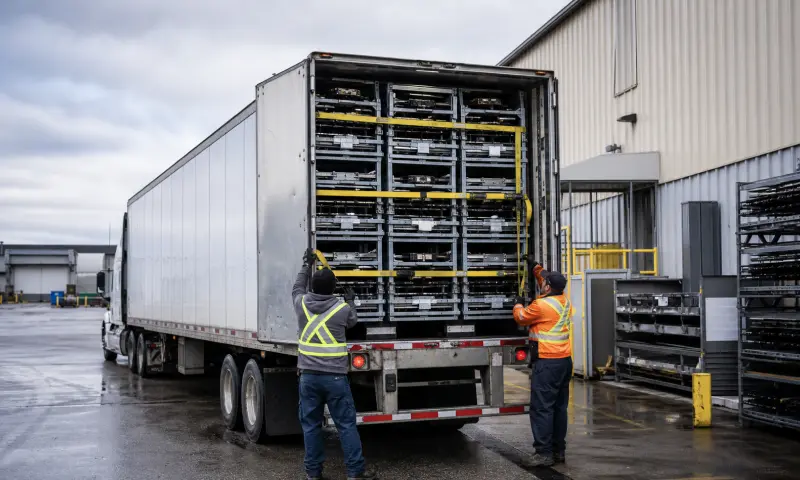
- Return movements for empty racks and dunnage planned with the outbound
- Domestic coverage across Ontario, Quebec and approved Atlantic Canada
What Automotive Logistics Actually Demands
Automotive Cargo We Review
- Welded sub-assemblies and body-in-white components
- Powertrain and driveline components
- Cast and machined engine parts
- Seating frames and interior trim assemblies
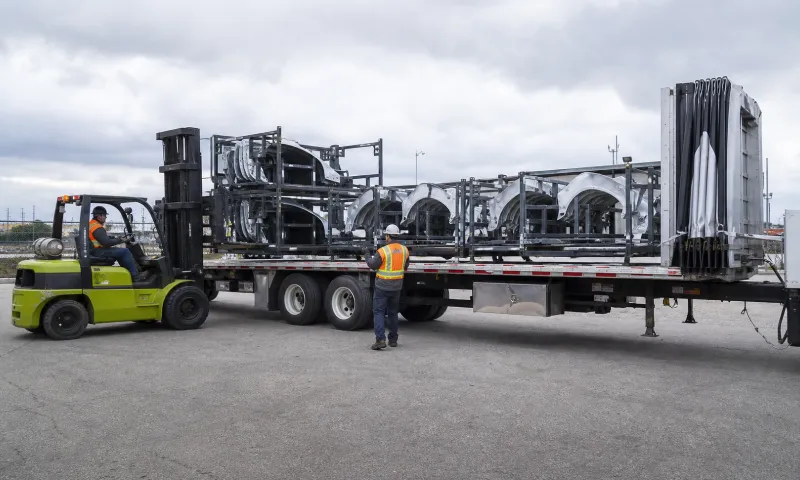
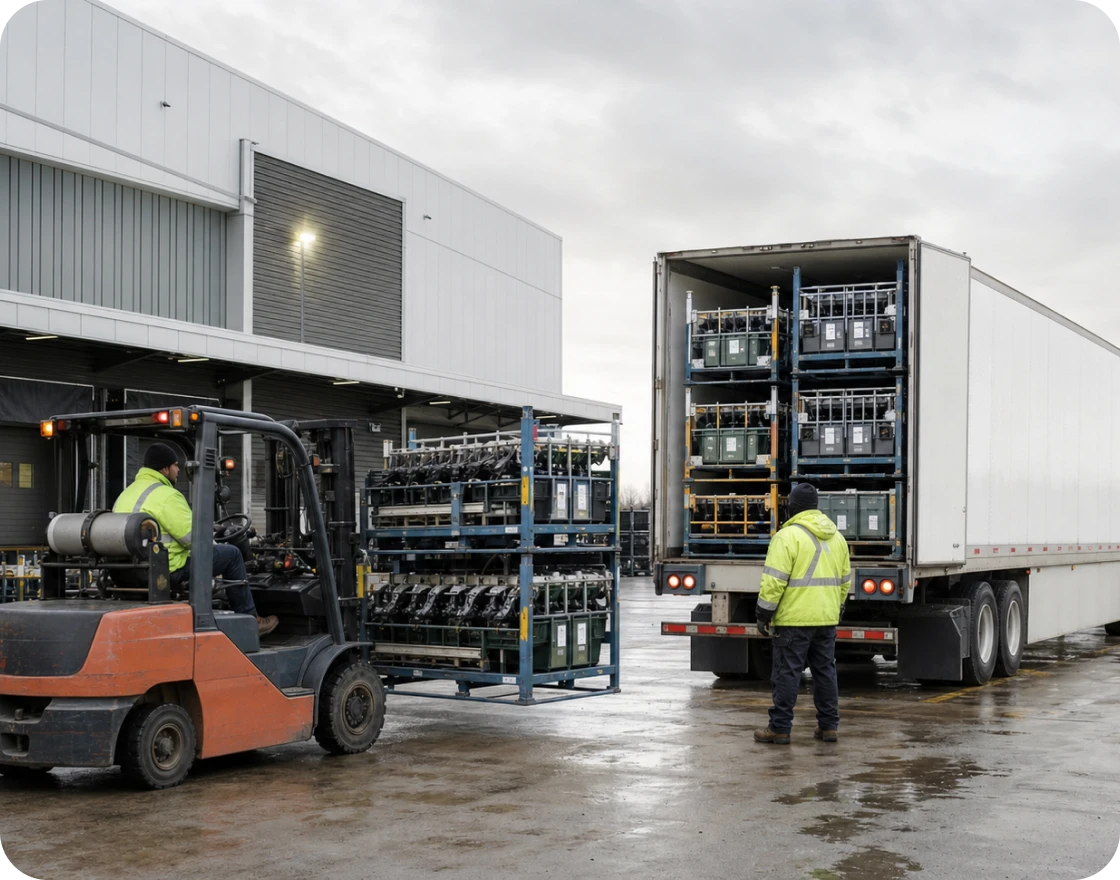
- Stampings, pressings and body panels in returnable racks
- Wiring harnesses and electrical components
- Wheels, brake assemblies and suspension parts
- Glass and mirror assemblies in purpose-built racks
- Exhaust and emissions components
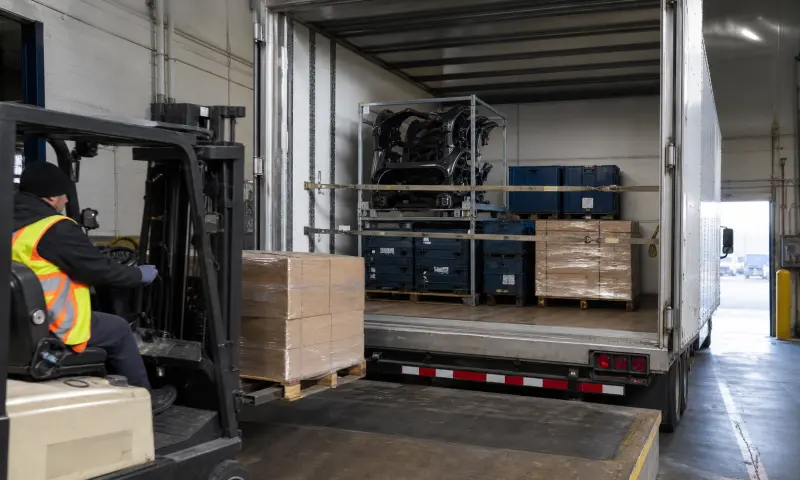
- Palletized aftermarket and service parts
- Tires and wheel packages
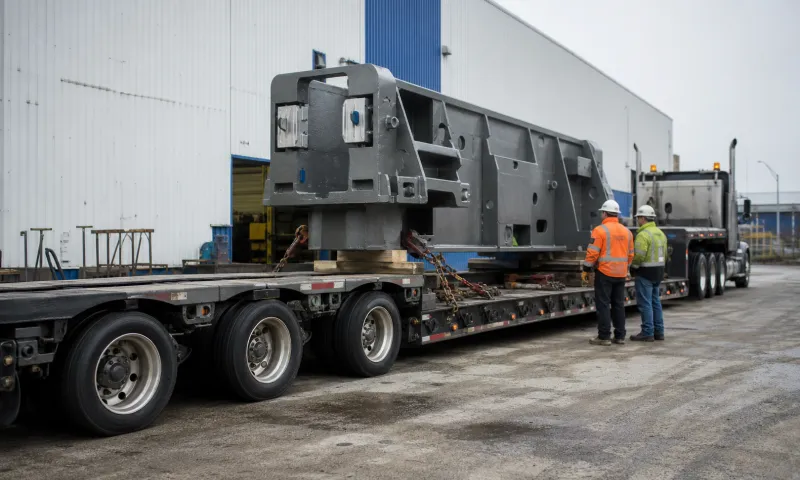
- Stamping dies and press tooling
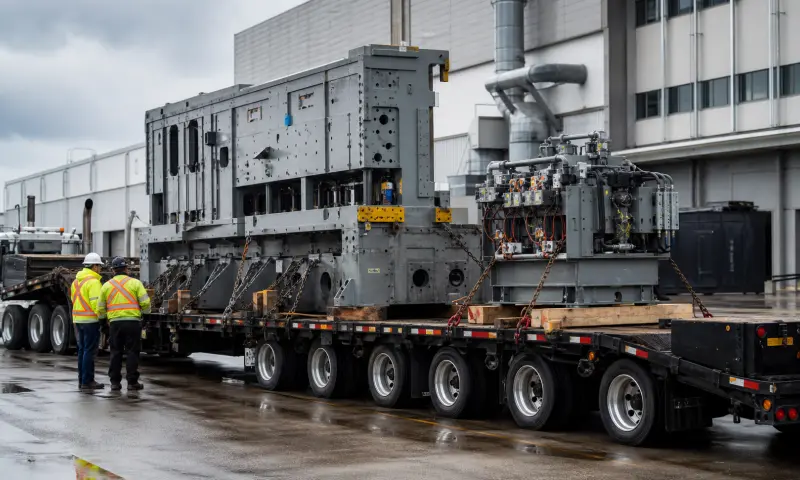
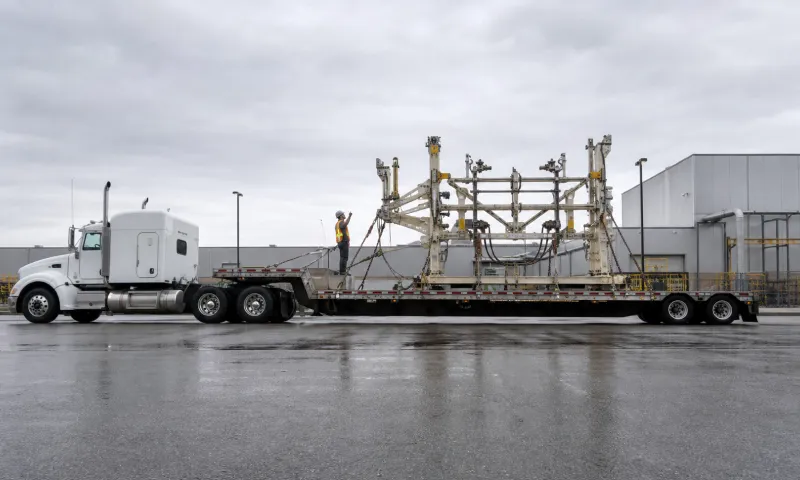
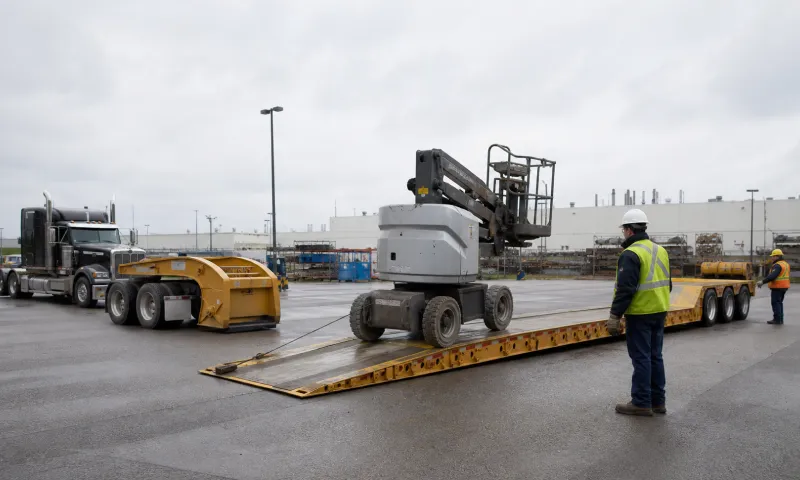
- Robotic cells, conveyor sections and plant equipment
- Empty returnable racks, containers and dunnage
- Packaged fluids, lubricants and consumables where classification permits
Automotive Operations We Support

Tier 1 Suppliers
Direct suppliers to assembly plants working against sequenced delivery windows. Freight volume is steady and lane-specific, with returnable packaging cycling continuously between the supplier and the plant.

Tier 2 and Tier 3 Component Makers
Stampers, machine shops, moulders and fabricators feeding upstream suppliers. Shipments are usually palletized or racked, moderate in size, and repeat on a weekly or daily pattern that suits scheduled pickups.

Aftermarket Parts Distributors
Warehouses supplying jobbers, installers and retail outlets. Their freight is high in SKU count and shipment frequency, with seasonal surges that make capacity planning more valuable than raw speed.

Dealership Groups and Service Networks
Multi-location operations moving parts inventory, equipment and displays between sites. Loads are typically partial, frequent and time-sensitive against service bookings.

Tooling and Die Shops
Builders and rebuilders of dies, fixtures and press tooling. Freight is heavy, concentrated and dimensionally awkward, which pushes it toward specialized deck equipment and planned lift arrangements.

Plant Engineering and Equipment Integrators
Teams installing or relocating production lines. Their moves cluster inside shutdown windows and involve oversized machinery where sequencing of arrivals matters as much as transit time.
Service Options for Automotive Freight
Less Than Truckload (LTL)
Full Truckload (FTL)
Heavy Haul
Matching the Service to the Shipment
| Service | Best For | Capacity | Typical Aerospace Cargo |
|---|---|---|---|
| LTL | Partial loads, recurring small shipments | 1 to 6 pallets typical | Machined parts, fasteners, hardware, crated avionics |
| FTL | Full or exclusive-use loads | Full trailer | Sub-assemblies in fixtures, consolidated pallets, composite panels |
| Heavy Haul | Oversized or overweight freight | Specialized equipment | Assembly jigs, machine tools, test rigs, large structures |
Trailer Selection for Automotive Loads
Roll-Tite
Flatbed
Step Deck
Lowboy
RGN (Removable Gooseneck)
- Equipment is confirmed per shipment. Final trailer assignment follows review of dimensions, weight, loading method, securement and route restrictions. The types listed reflect fleet capability and are not a guarantee of availability for a specific load or date.
Lanes and Coverage
- Ontario
- East Coast
Ontario to the East Coast
- Ontario
- East Coast
East Coast to Ontario
- Coverage is domestic Canadian: Ontario, Quebec and approved Atlantic Canada destinations, confirmed at quoting.
From Enquiry to Delivery
1.
Freight review.
2.
Dock and access check.
3.
Service and equipment call.
4.
Route, timing and permits.
5.
Loading and securement.
6.
Delivery, return leg and paperwork.
What Automotive Shippers Get From Working With Us

Planning Before Pricing
The quote follows the review, not the other way around. Loading method, dock constraints and rack dimensions are settled before equipment is committed.

One Contact Across Load Types
Racked components, aftermarket pallets and press tooling can all be handled through the same relationship instead of three separate carriers.

Return Leg Coordination
Empty rack and dunnage returns are planned alongside outbound freight, which keeps packaging cycling instead of stranding it.

Lane Consistency
Repeat movements can run on a fixed schedule, giving your planners a transit expectation they can build a production plan around.

Shutdown and Project Capability
Retooling and equipment moves fall inside our scope, with route and permitting review handled as part of planning rather than left to the shipper.

Clear Documentation
Paperwork is prepared and confirmed with the shipment so receiving is not reconstructing details after the truck leaves.
Automotive Freight Questions
What do you need from us to quote a racked component shipment?
Can you handle scheduled recurring runs between the same two plants?
Do you move empty returnable racks back to origin?
Can you move stamping dies and press tooling?
What about lithium battery modules for EV production?
How far in advance should we book a shutdown equipment move?
Our dock only takes certain trailer heights. Is that a problem?
Get in Touch with Dependable Freight Solutions