
Chemical and Plastics Freight Transportation Across Ontario, Quebec and Atlantic Canada

Resin, compound, moulded product and process equipment each behave differently on a trailer, and treating them alike is where shipments go wrong. Dependable Freight Solutions moves commercial chemical and plastics freight between Ontario, Quebec and approved East Coast destinations, reviewing classification, packaging and density before recommending a service. Regulated cargo is assessed individually and declined where we are not the appropriate carrier.

The Freight Realities of Chemical and Plastics Manufacturing

The chemical and plastics industry relies on efficient freight transportation to keep production moving without delays. Manufacturers ship everything from raw plastic resins and industrial chemicals to finished plastic products, each requiring different handling, equipment, and transportation methods. Some shipments are dense and heavy, while others are lightweight but occupy significant trailer space.
In addition, certain chemical products must comply with strict transportation regulations and documentation requirements. Understanding these unique freight demands helps manufacturers reduce delays, control shipping costs, maintain compliance, and keep their supply chains operating smoothly.

Dependable Freight Solutions reviews classification, packaging format and density before recommending anything.

Chemical and Plastics Freight We Assess

Shipment review covers a broad range of packaging formats and product types:

Businesses We Support in This Sector

Resin Producers and Compounders

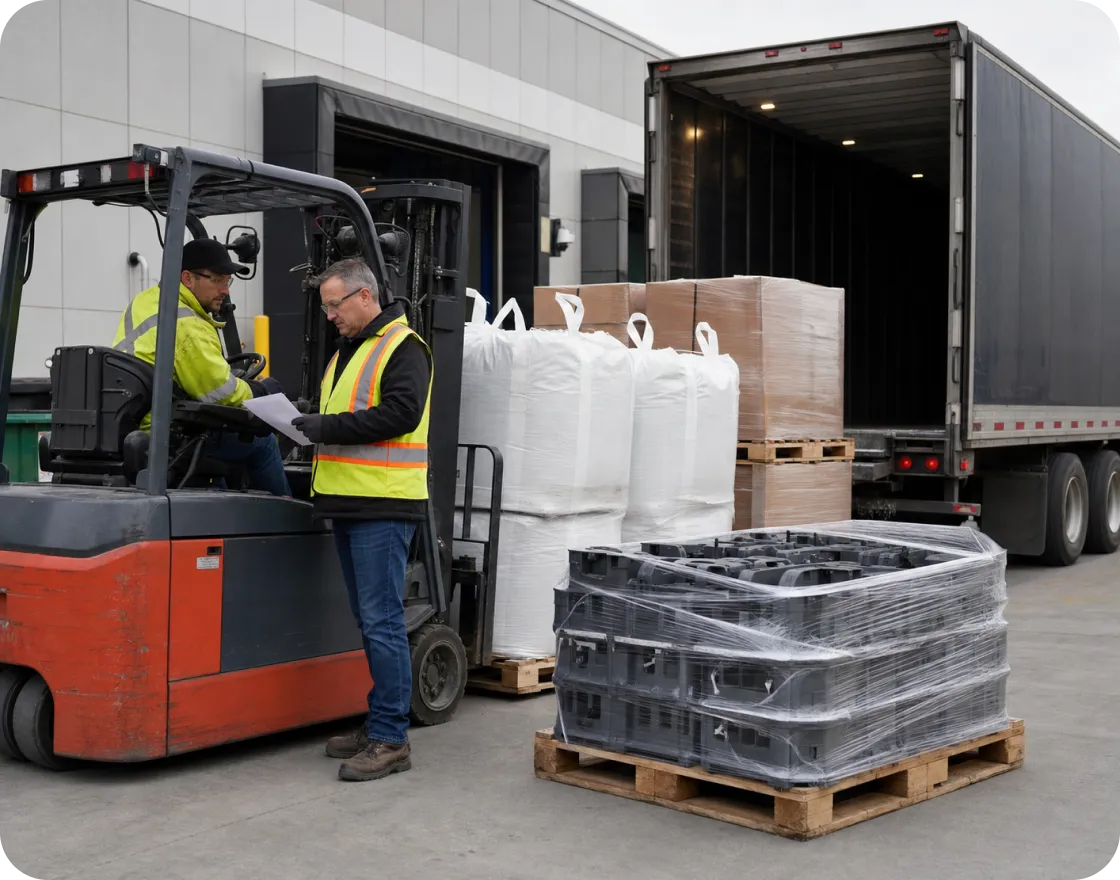
Operations shipping pellets, powders and compounded material to processors. Freight is dense, weight-limited rather than space-limited, and typically moves in bulk bags or gaylords on repeat lanes.

Injection and Blow Moulders

Processors converting resin into finished parts and containers. Inbound material is heavy and outbound product is light and bulky, which makes the two directions of the same lane look nothing alike.

Extrusion and Sheet Producers

Manufacturers of profile, pipe, film and sheet. Length and roll diameter drive equipment decisions, and much of this freight needs protection from moisture and road contamination.

Packaging Manufacturers

Producers of containers, closures, trays and industrial packaging. High cube, low density, and often shipped on tight replenishment cycles to filling and food processing customers.

Chemical Distributors and Blenders

Businesses supplying packaged product to industrial end users. Classification varies shipment to shipment, so freight planning depends on accurate product information supplied up front.

Recyclers and Reprocessors

Operations handling regrind, baled material and recovered feedstock. Loads are variable in density and packaging, with pickup access at collection sites frequently the limiting factor.
How Our Services Apply Here

Less Than Truckload (LTL)

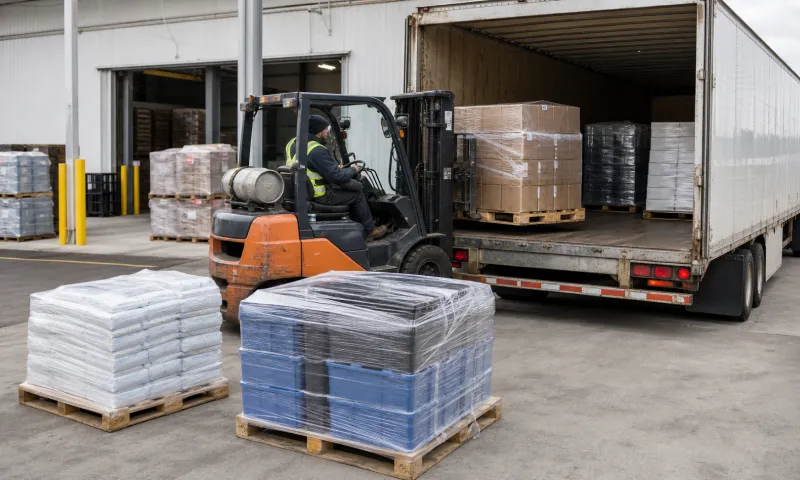
LTL fits partial shipments of palletized moulded product, packaged non-regulated material, empty containers and sample or trial quantities of resin. Cost follows the space consumed, which suits processors replenishing customers on frequent small orders. Packaging must be sound and clearly labelled, since the load shares trailer space with other freight.

Full Truckload (FTL)

FTL suits dense resin loads that reach weight limits, high-cube finished goods that fill a trailer, and any shipment where handling at intermediate points is undesirable. A dedicated trailer means the load is packed once and opened once. For freight where packaging integrity carries real consequence, that reduction in handling is the point.

Heavy Haul

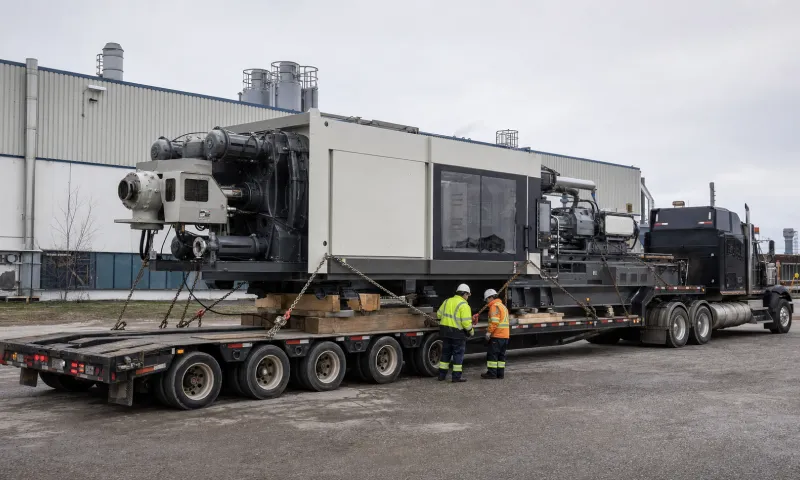
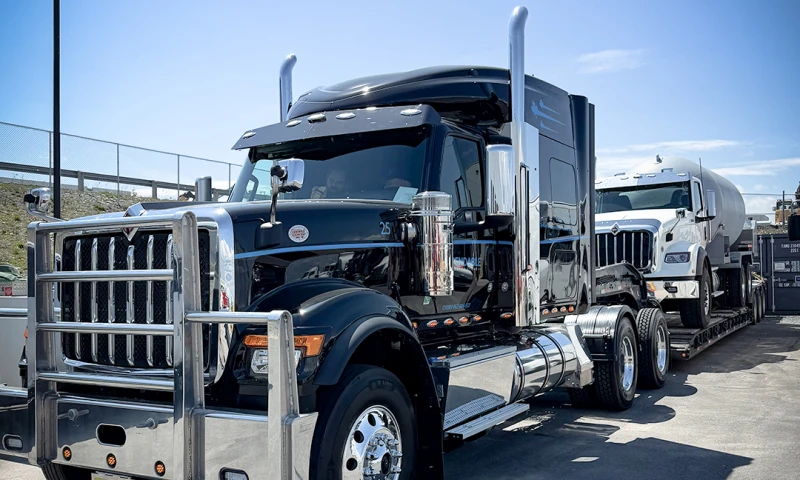
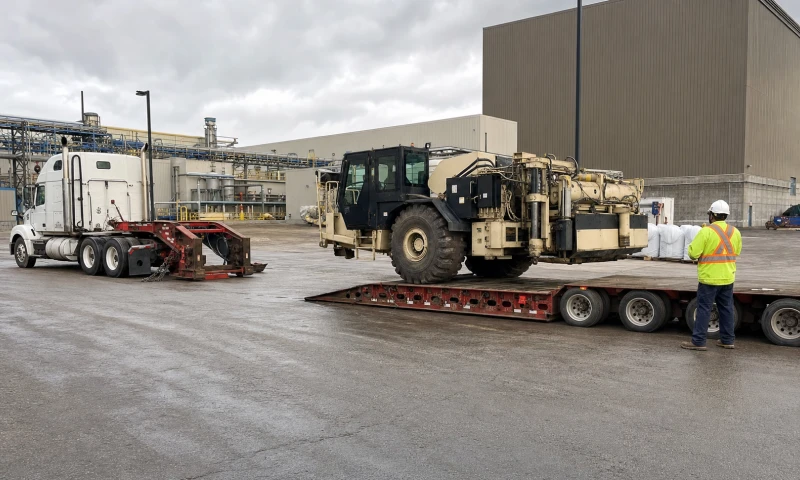
Heavy haul covers process equipment: extruders, injection presses, mixers, silos, tanks and material handling systems exceeding standard dimensional or weight limits. Plant expansions and equipment relocations run on this service. Route review, equipment selection and permitting all precede a committed date, so early conversation is worth more than a fast quote.

Weight, Cube and the Service Decision

Service Best For Capacity Typical Aerospace Cargo
LTL Partial loads, recurring small shipments 1 to 6 pallets typical Machined parts, fasteners, hardware, crated avionics
FTL Full or exclusive-use loads Full trailer Sub-assemblies in fixtures, consolidated pallets, composite panels
Heavy Haul Oversized or overweight freight Specialized equipment Assembly jigs, machine tools, test rigs, large structures
In most industries volume is a reasonable first approximation. In this one it is actively misleading, because the sector produces freight at both extremes of the density scale and often on the same lane in opposite directions.
The useful questions are these. What is the gross weight against the cube it occupies, and which limit does the load hit first? Is the packaging rigid enough to stack, or does it consume floor space regardless of trailer height? Does the product need protection from moisture, contamination or temperature swings, and what happens to it if that protection fails? Is the material classified, and if so, under what? How is it loaded and unloaded at each end, and does the receiving site have the equipment for bulk bags or roll stock? Winter conditions on eastern lanes affect both transit reliability and, for temperature-sensitive material, product condition.
Give us the density and the classification early. Those two facts settle most of the planning.

Equipment Choices for This Freight

Trailer selection here is driven less by weight than by protection and loading geometry. Roll stock, bulk bags, gaylords and process machinery each impose different requirements, and a trailer that suits one will frustrate another.

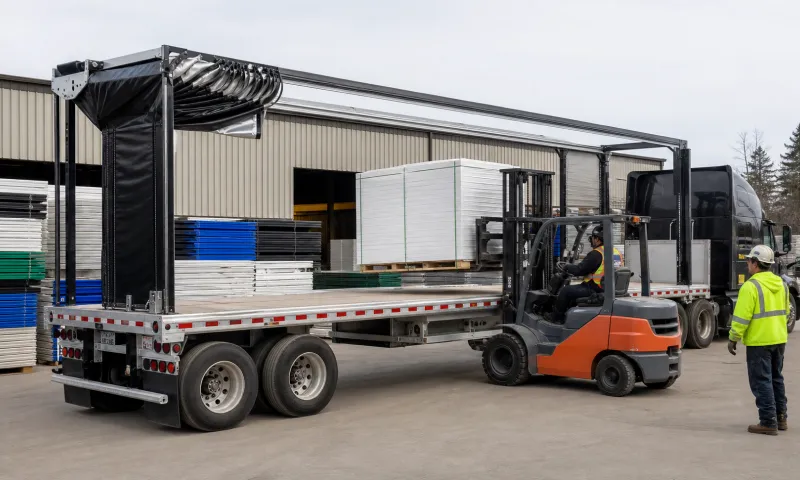
Roll-Tite

Rolling tarp over a flat deck. It combines weather protection with side and overhead loading, which suits sheet stock, roll goods, palletized product loaded by crane or side-loader, and material that cannot be forklifted through a rear opening.

Flatbed

Open deck with unrestricted access. Appropriate for tanks, silos, crated machinery, structural components and freight that can be tarped or does not require enclosure. The default when overhead lifting is how the load comes on and off.

Step Deck

The lowered rear deck provides height clearance for tall equipment such as mixers, hoppers and process machinery on skids, and reduces deck height for ramp loading.

Lowboy

The lowest deck height in the fleet, intended for tall and heavy items. Applies to large presses, extruder lines and heavy process equipment where overhead clearance governs the route.

RGN (Removable Gooseneck)

The detachable gooseneck forms a ramp for drive-on or winch-on loading. Suited to wheeled plant equipment and heavy machinery that cannot practically be lifted onto a deck.

Regional Coverage

Plastics processing and chemical manufacturing cluster heavily through southern Ontario and along the Quebec industrial corridor, with packaging and processing operations distributed through Atlantic Canada serving regional food, fishing and consumer goods production.

Ontario to the East Coast

Eastbound freight commonly carries resin and compounded material to Quebec and Atlantic processors, finished packaging to filling and food production facilities, and sheet or profile stock to fabricators and construction supply. Recurring material replenishment lanes suit scheduled pickups, since processors run to raw material inventory targets and unplanned transit variability translates directly into production risk. Equipment moves also run this direction during plant expansions.

East Coast to Ontario

Westbound loads include moulded and thermoformed product from Atlantic and Quebec processors heading to Ontario distribution and end users, recovered and baled material moving to reprocessors, and empty container returns. Because outbound resin is dense and return product is bulky, the two legs of a lane rarely use trailer capacity the same way, which is worth accounting for when planning round trips.

How We Handle a Shipment

1.

Product and classification review.

Tell us the material, its packaging format, and whether it carries any dangerous goods classification. If you are unsure, send the safety data sheet and we will read it.

2.

Density and dimension check.

Gross weight against cube determines whether the load is weight-limited or space-limited, and that shapes the service recommendation more than anything else.

3.

Loading and access confirmation.

We establish how the freight is loaded and unloaded at both ends, including handling equipment for bulk bags, gaylords or roll stock.

4.

Service and equipment recommendation.

LTL, FTL or heavy haul is proposed alongside the trailer type suited to protection needs and loading geometry.

5.

Route, timing and permitting.

Lanes are reviewed for restrictions. Oversized process equipment moves go through permitting review before a date is confirmed.

6.

Pickup, securement and delivery.

The load is secured appropriately to its packaging format and delivered to the agreed window with documentation completed.

Why This Sector Works With Us

Honest Scope

We tell you what we can carry and what we cannot. In a sector where a portion of freight is regulated, a carrier that overstates its authority creates a problem you inherit.

Density-Aware Planning

Loads are planned against weight and cube together, so a resin shipment is not quoted like a container shipment and neither is planned like the other.

Packaging Attention

Bulk bags, gaylords, drums and roll stock all secure differently. Securement is planned against the actual packaging rather than a default.

Single Contact Across Load Types

Raw material inbound, finished product outbound and process equipment during expansion can all run through one relationship.

Equipment Move Capability

Presses, extruders, mixers and silos fall inside our scope, with route and permitting review handled during planning.

Documentation Discipline

Shipping paperwork is prepared and confirmed with the load, which matters more in this sector than most.

Common Questions From Chemical and Plastics Shippers

Do you carry dangerous goods?

Regulated freight is assessed individually against classification, packaging and required carrier authority. Some shipments we can accept and some we cannot, and we will tell you which before you plan around us. 

Dense freight is planned against weight rather than space, so the trailer looks empty and is legally full. That is normal for this sector and is factored into the quote from the start, provided you give us accurate gross weight.
Yes, subject to review. The main planning question is handling equipment at both ends, since bulk bags need appropriate lifting and gaylords need forklift access and stable stacking.
Roll goods and sheet usually call for enclosed protection and specific securement. Roll-Tite equipment suits much of this freight because it allows side or overhead loading while keeping the product covered.
Yes. These move on step deck, lowboy or RGN equipment depending on height and weight, with route review and permitting completed before a date is committed. Lifting arrangements at both sites need confirming during planning.
Product name and classification status, packaging format, gross weight, dimensions as palletized or bagged, both addresses and your required delivery window. A safety data sheet if the material is regulated.