
Aerospace Freight Transportation Across Ontario, Quebec and Eastern Canada

Aerospace manufacturing runs on components that cannot be rushed, jostled, or improvised around. Dependable Freight Solutions moves commercial aerospace shipments between Ontario, Quebec and approved East Coast destinations using equipment matched to the dimensions, weight and handling profile of each load. Every shipment is reviewed before we recommend a service so the trailer, route and schedule fit the freight rather than the other way around.

How Aerospace Supply Chains Move Freight

The aerospace industry depends on a highly coordinated supply chain where every shipment plays a role in keeping production on schedule. Components often move between multiple suppliers, manufacturers, and assembly facilities before reaching their final destination. From small precision-machined parts to oversized tooling and aircraft structures, every load has unique transportation requirements.

These shipments require careful planning, specialized handling, secure loading, and reliable delivery to prevent costly production delays and maintain quality standards throughout the manufacturing process.

Dependable Freight Solutions provides customized freight solutions for aerospace manufacturers, ensuring every shipment is transported safely, efficiently, and on schedule with the right equipment and logistics expertise.

Aerospace Freight We Can Evaluate

Aerospace freight covers a wide spread of shapes, weights and packaging formats. Shipments we can review include:

Who We Serve in the Aerospace Sector

Component Machine Shops

Precision machining operations shipping finished parts to primes, Tier 1s and finishing vendors. Freight is usually palletized and moderate in volume, with tight production sequencing and frequent recurring lanes between the same two facilities.

Composite and Fabrication Suppliers

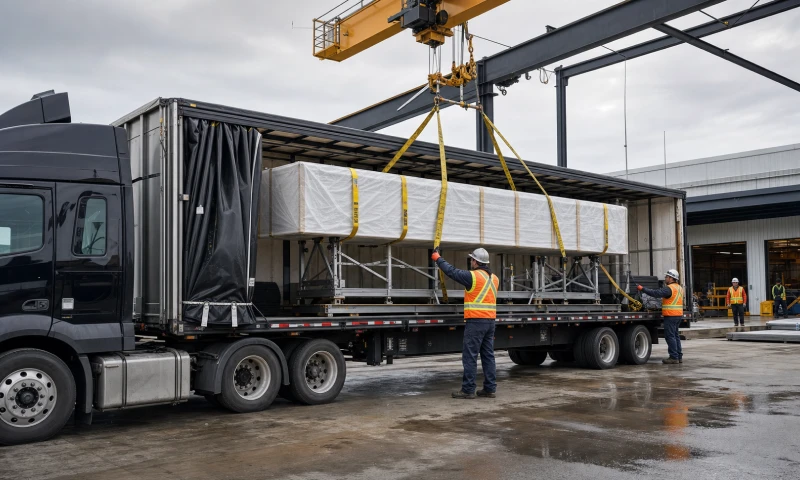
Producers of panels, ducting, radomes and bonded structures. Their freight tends to be large in footprint but light in weight, and often needs full weather protection and careful securement rather than heavy-capacity equipment.

Tier 1 Assembly Facilities

Plants building sub-assemblies for airframe and engine programs. They coordinate inbound parts from many suppliers and outbound assemblies to OEMs, which means mixed LTL and FTL requirements and a strong emphasis on schedule reliability.

MRO and Overhaul Operations

Maintenance, repair and overhaul shops moving removed units, exchange components and repaired assemblies. Freight moves in both directions on the same lane, frequently on shorter notice than production freight.

Tooling and Equipment Manufacturers

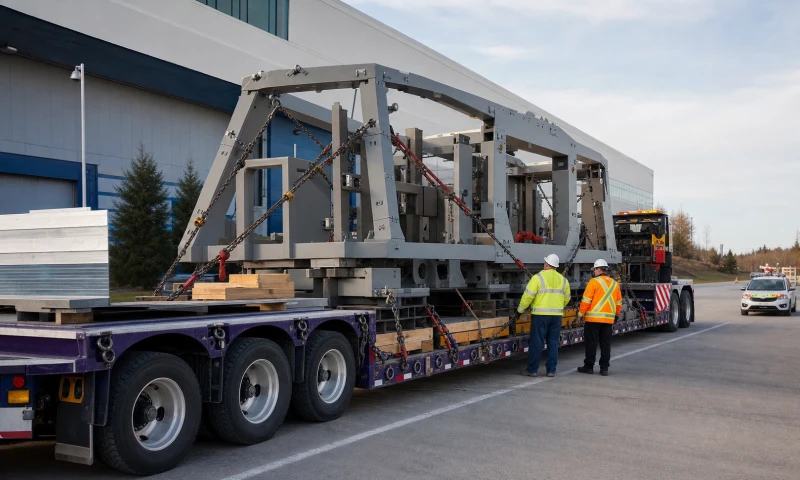
Builders of jigs, fixtures, test rigs and ground support equipment. These loads are typically oversized, unpalletized and mounted on stands, which pushes them toward flatbed, step deck or RGN equipment.

Aerospace Distributors and Stockists

Distributors supplying fasteners, raw stock, standard hardware and consumables to shops and repair facilities. Their freight is high in frequency and moderate in size, which suits LTL and recurring scheduled pickups.
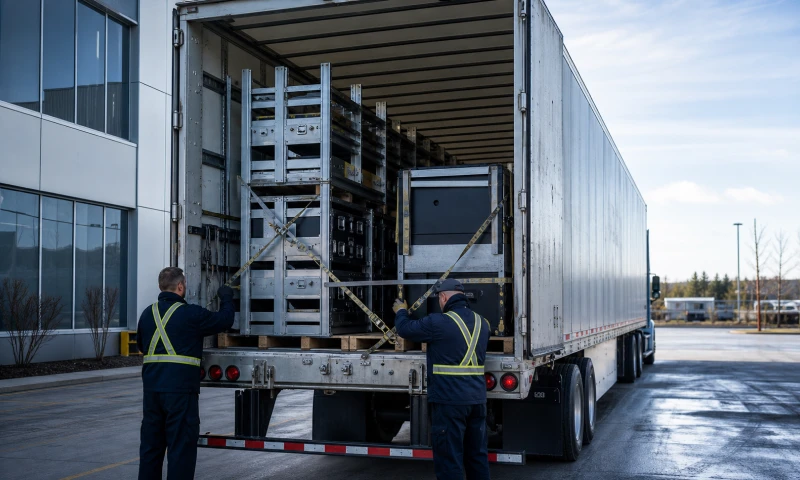
Freight Services for Aerospace Shipments

Less Than Truckload (LTL)

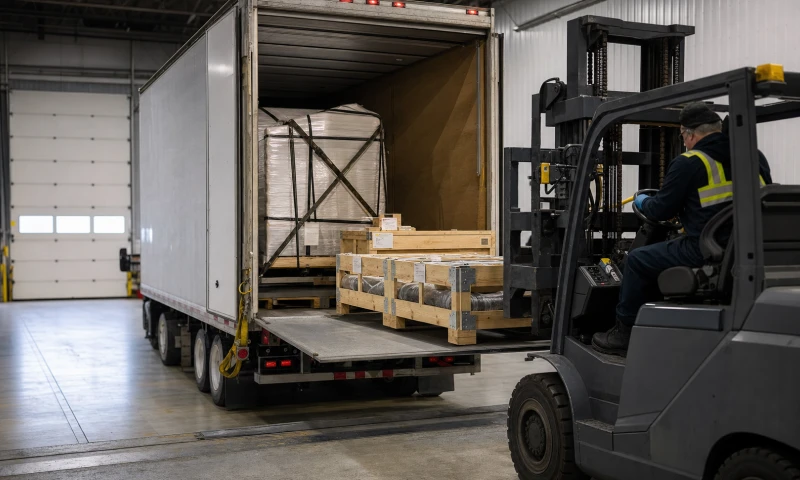
LTL suits aerospace suppliers moving palletized parts, hardware, fasteners and smaller crated assemblies that do not fill a trailer. It works well for recurring shipments between the same facilities and keeps costs proportional to the space used. Loads share trailer capacity, so packaging quality and clear labelling matter more than they do on a dedicated move

Full Truckload (FTL)

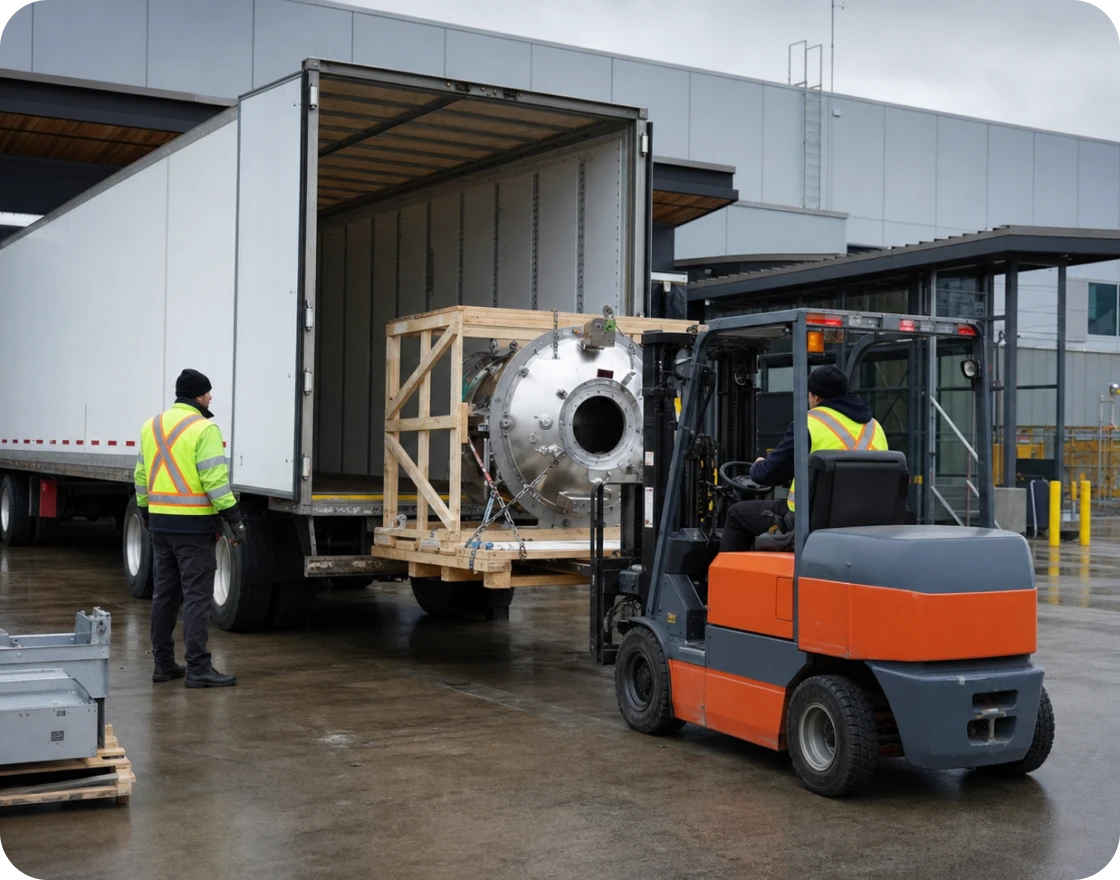
FTL fits aerospace freight that fills a trailer, exceeds practical LTL handling, or should not be handled at intermediate points. Sub-assemblies in fixtures, sensitive finished components and consolidated multi-pallet shipments all benefit from a dedicated trailer. Fewer touch points across the trip reduces handling exposure and simplifies scheduling at both ends.

Heavy Haul

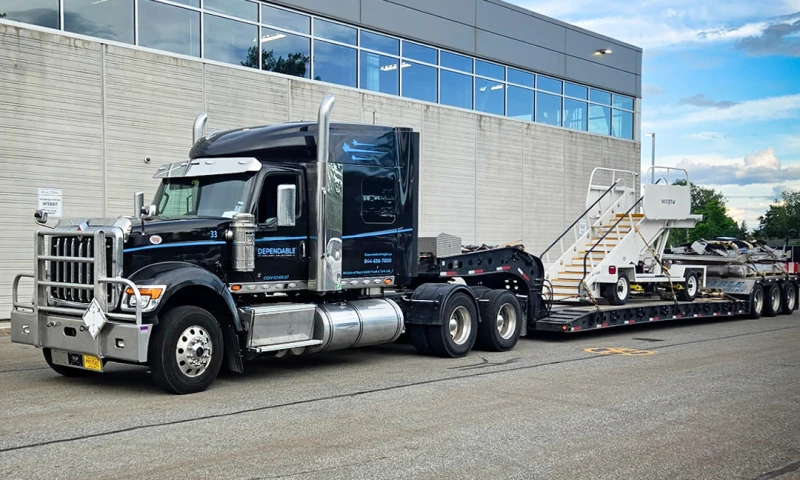
Heavy haul applies to aerospace freight that exceeds standard dimensional or weight limits: large tooling, assembly jigs, machine tools, test rigs and oversized structural sections. These moves require equipment selection, route planning and permitting review before a schedule can be confirmed. Lead time is longer, and early conversation makes a measurable difference to the outcome

Choosing the Right Service for Aerospace Freight

Service Best For Capacity Typical Aerospace Cargo
LTL Partial loads, recurring small shipments 1 to 6 pallets typical Machined parts, fasteners, hardware, crated avionics
FTL Full or exclusive-use loads Full trailer Sub-assemblies in fixtures, consolidated pallets, composite panels
Heavy Haul Oversized or overweight freight Specialized equipment Assembly jigs, machine tools, test rigs, large structures
Volume is the obvious factor, and it is also the least useful one on its own. Plenty of aerospace freight is physically large and barely weighs anything, and plenty of small crates need a dedicated trailer because of what is inside them.
The questions that actually determine service selection: What are the outer dimensions once the part is on its stand or in its crate? Is the load stackable? How is it lifted, and is that the same at both ends? Can the receiving site take a 53 foot trailer, or is access restricted? Is the freight sensitive to moisture, vibration or temperature swings? Is the delivery tied to a production slot, or is there float in the schedule? Winter conditions on eastern lanes add transit variability that is worth planning around rather than absorbing at the last minute.

Talk it through before you book. A ten minute conversation about loading and access prevents most of the problems that show up on delivery day.

Trailer Options for Aerospace Freight

Trailer selection is not a detail to sort out after the fact. It determines how the freight is loaded, whether it is protected from weather, whether it clears height and width limits, and whether the receiving facility can actually unload it. Getting it wrong usually means a rescheduled delivery, and sometimes damage.

Roll-Tite

A rolling tarp system over a flat platform. It gives enclosed weather protection with side and top access, which is useful for composite panels, crated assemblies and finished components that need to stay dry but cannot be forklifted through a rear door. Loading is possible from the side or overhead with a crane.

Flatbed

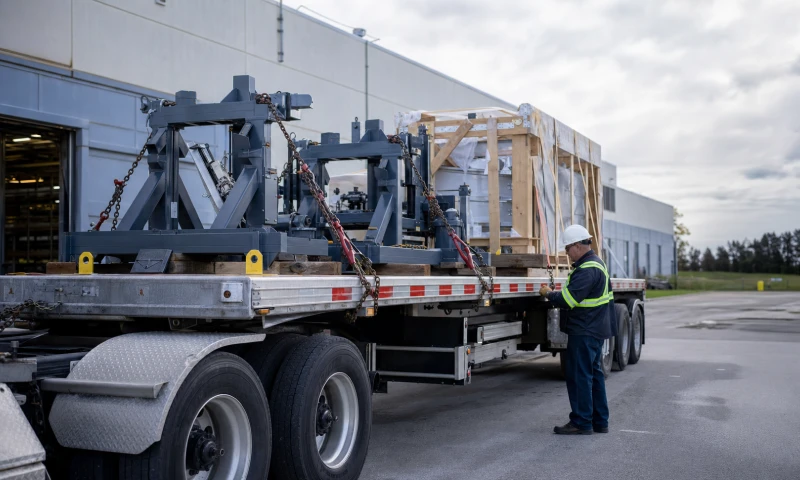
Open deck loading from any direction. Suited to tooling, ground support equipment, structural sections and raw stock that can be tarped or does not require enclosure. Simple to load with cranes or overhead lifting where facility access is tight.

Step Deck

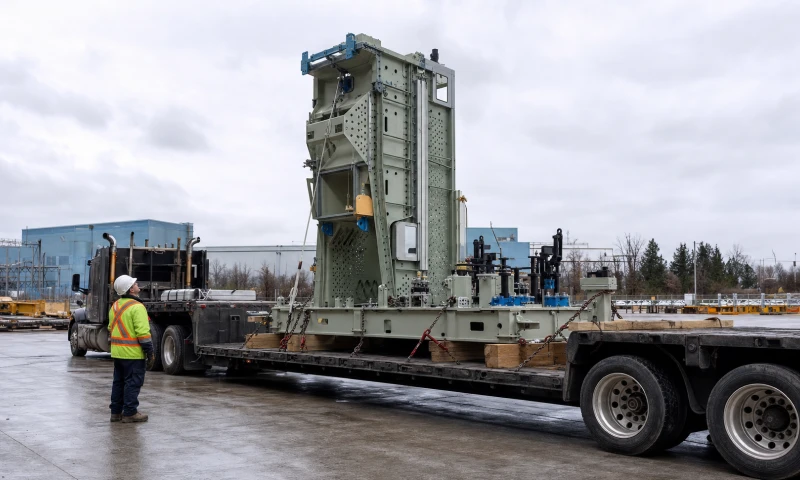
A lowered rear deck adds usable height. This matters for tall aerospace tooling, fixtures on stands and equipment that would exceed legal height on a standard flatbed. It also lowers the deck height for ramp loading.

Lowboy

The lowest available deck height, built for tall and heavy loads. Applicable to large machine tools and heavy production equipment moving in or out of an aerospace facility, where clearance is the limiting factor.

RGN (Removable Gooseneck)

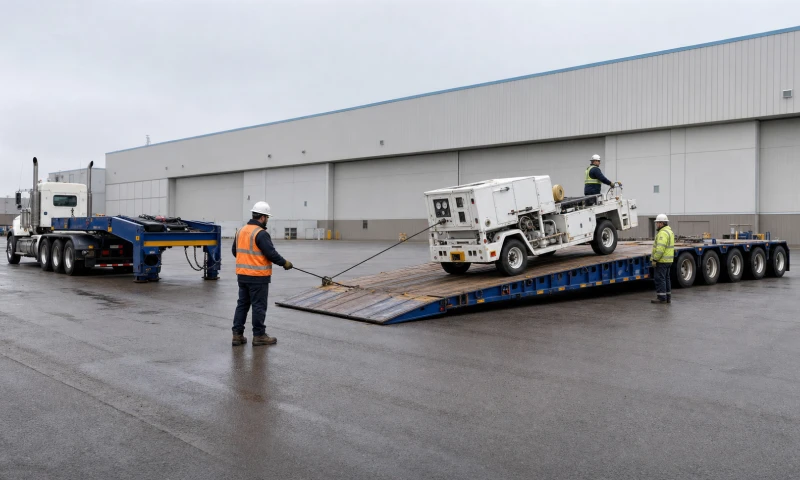
The front detaches to create a drive-on ramp. Useful for wheeled or self-propelled equipment and for heavy machinery that cannot be lifted onto a deck. Combines low deck height with drive-on access.

Suitability disclaimer

Trailer availability and suitability are confirmed per shipment. Final equipment is determined after reviewing dimensions, weight, loading method, securement requirements and route restrictions. Equipment shown here reflects the fleet types available and does not guarantee assignment for a specific load.

Route and Coverage

Aerospace clusters in Canada are concentrated in southern Ontario and greater Montreal, with supplier and repair activity extending into the Atlantic provinces. Freight rarely moves in one direction only. The same lane usually carries parts out and fixtures, containers or repaired units back.

Ontario to the East Coast

Shipments moving east typically originate with Ontario machine shops, fabricators and distributors supplying Quebec assembly operations or Atlantic-based repair and support facilities. Common movements include palletized components on recurring schedules, consolidated multi-supplier loads heading to a single assembly plant, and oversized tooling relocating to a new production line. Recurring lanes benefit from scheduled pickups, which stabilize transit expectations and reduce last-minute capacity scrambles.

East Coast to Ontario

Westbound freight often involves returned assemblies, repaired units, empty returnable containers and Quebec-produced sub-assemblies moving to Ontario plants. MRO activity in particular generates irregular but urgent westbound moves. Warehouse transfers and distribution replenishment for aerospace consumables also run this direction on a steadier cadence.
Coverage is domestic Canadian: Ontario, Quebec and approved Atlantic Canada destinations. Destination approval is confirmed at quoting.

How an Aerospace Shipment Moves

1.

Cargo review.

You tell us what the freight is, its dimensions and weight, how it is packaged, and where it is going. Photographs of anything unusual help more than descriptions do.

2.

Access and handling check.

We confirm how the load is picked up and unloaded at both ends, including dock configuration, lifting equipment, and any site restrictions. This step catches most of the problems that would otherwise appear at delivery.

3.

Service and equipment selection.

Based on the review, we recommend LTL, FTL or heavy haul and identify the trailer type that fits the load and the sites.

4.

Route and schedule planning

The lane is reviewed for restrictions, and for oversized freight, for permitting requirements. Timing is set against your production or receiving window.

5.

Pickup.

Freight is loaded and secured with the method appropriate to the cargo and trailer.

6.

Delivery and confirmation.

The load is delivered to the agreed window and documentation is completed.

Why Aerospace Shippers Work With Dependable Freight Solutions

Shipment Evaluation First

Nothing is quoted before the freight is understood. Dimensions, packaging, loading method, and access are reviewed before a service is recommended, which avoids the mismatch between booked equipment and actual freight.

Mixed Fleet Access

Roll-Tite, flatbed, step deck, lowboy and RGN equipment sit under one point of contact, so a supplier moving pallets one week and a jig the next does not need a second carrier relationship.

Direct Communication

You speak with people who know your load. Questions about timing, access or securement get answered by someone who can actually change the plan.

Recurring Lane Planning

Repeat movements between the same facilities can be set on a schedule, which makes transit expectations predictable and simplifies your own production planning.

Oversized Freight Capability

Tooling, jigs and machine tools are within scope rather than referred out, with route and permitting review handled as part of the planning process.

Documentation Support

Paperwork is prepared and confirmed with the shipment so receiving departments are not chasing details after arrival.
Aerospace Freight FAQs

What information do you need to quote an aerospace shipment?
Outer dimensions of the freight as packaged, total weight, pickup and delivery addresses, how the load is lifted at each end, and any timing constraints. For oversized freight, dimensions on the stand or in the fixture matter more than the dimensions of the part itself.
Yes, and it is usually preferable. Fixtures change the loading method and the outer dimensions, so tell us about them at quoting so the trailer and securement plan account for them.
Not necessarily. Light freight that occupies a large footprint often prices and plans more like a full load because it consumes trailer space. Dimensional footprint drives that decision more than weight.
More than a standard load, because route review and permitting have to be completed before a schedule can be confirmed. Lead time varies by dimensions and route, so start the conversation early rather than booking against a fixed date.
Yes. Returnable packaging moving back to the origin facility is common on aerospace lanes and is often planned alongside the outbound movement.
Recurring lanes can be planned on a set schedule. This works well for suppliers shipping to the same plant on a production cadence.
We identify that during the access check and select equipment accordingly. Site access constraints are one of the more common reasons a trailer recommendation changes.

Get in Touch with Dependable Freight Solutions

If you’re ready to schedule a shipment, need a price quote or want to learn more about our freight forwarding service, our team is here to help. We make freight transportation easy, efficient and reliable for businesses throughout Atlantic Canada. Dependable Freight Solutions provides professional freight services, speedy freight delivery and reliable logistics support!