
Energy Freight and Project Cargo Transportation Across Ontario, Quebec and Eastern Canada
- Dimensional and route review completed before a date is committed
- Permitting requirements identified during planning, not after booking
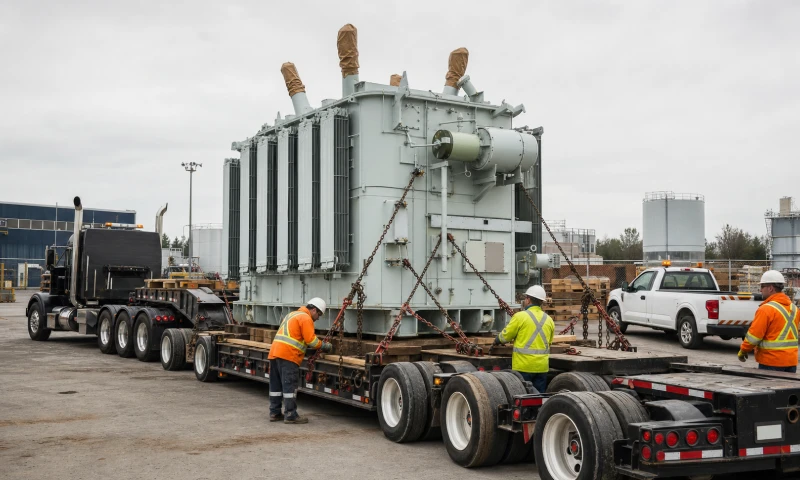
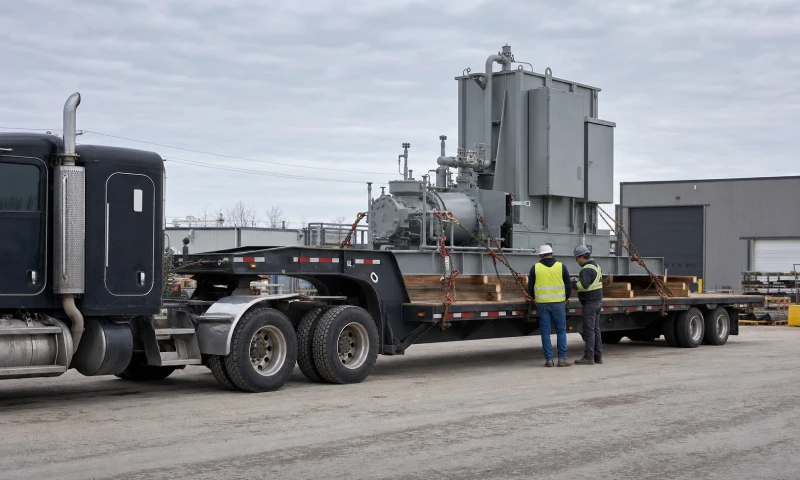
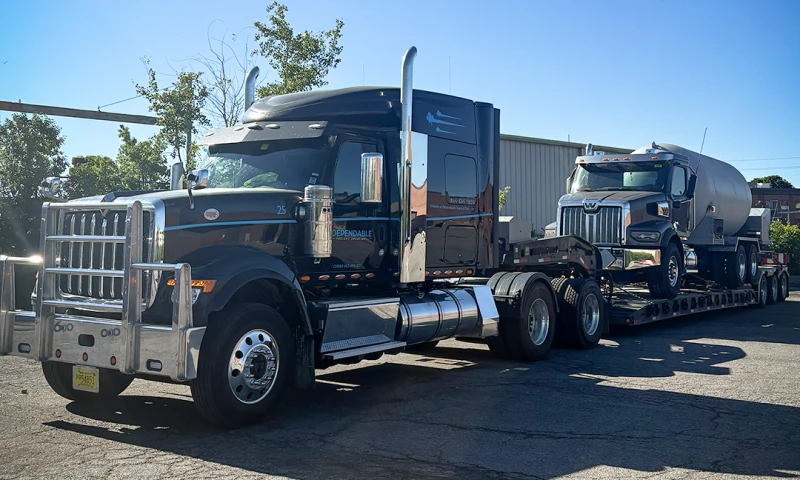
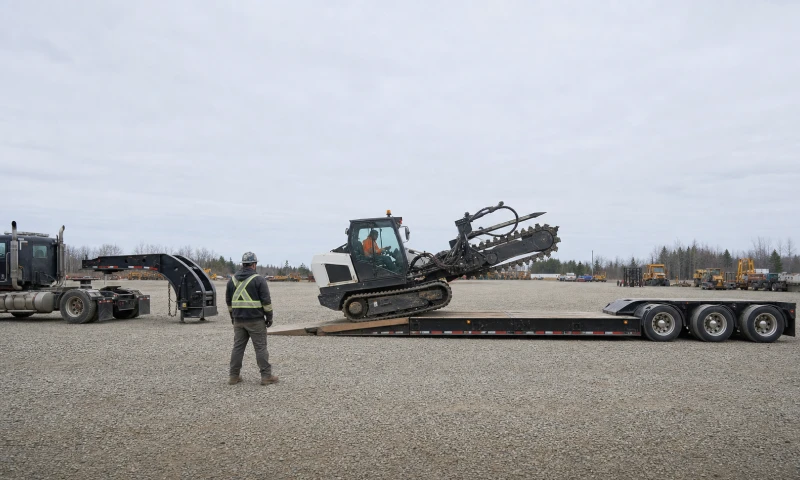
- Step deck, lowboy and RGN capacity for oversized and overweight freight
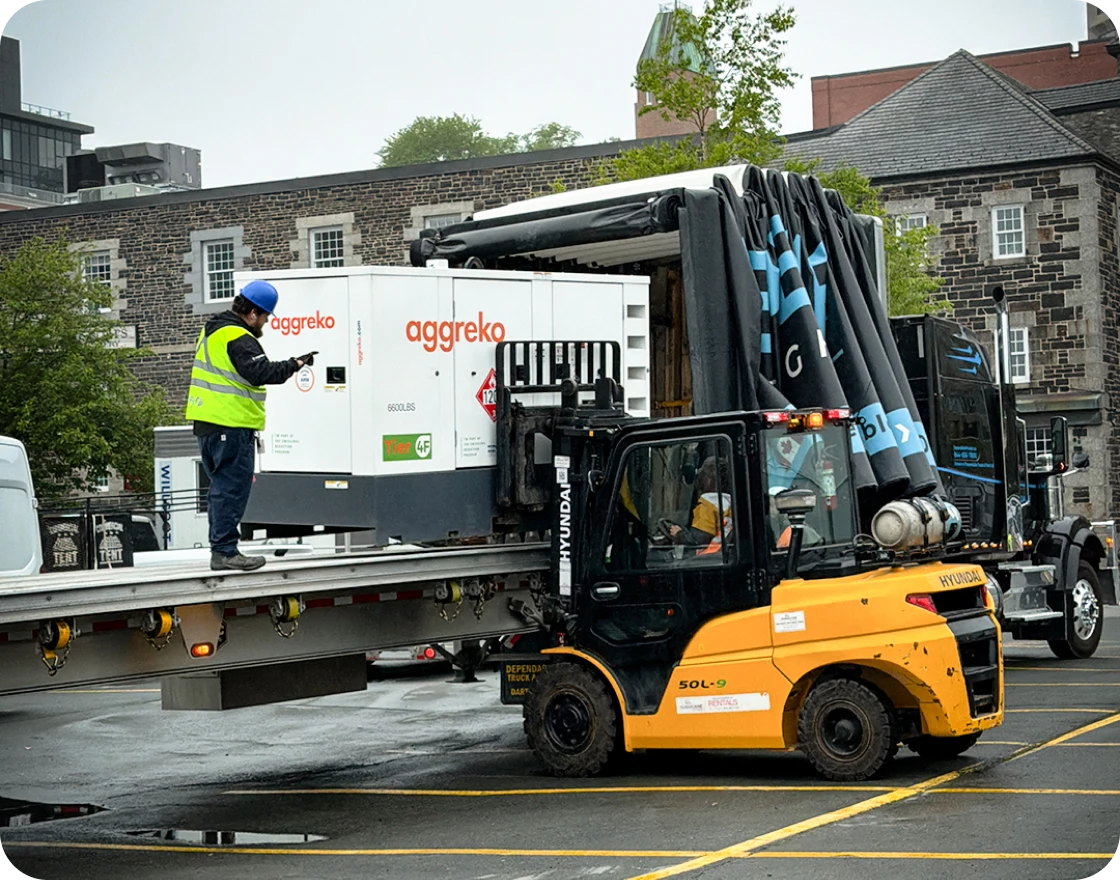
- Roll-Tite and flatbed options for enclosed or open deck requirements
- Staged delivery sequencing for multi-load project freight
- Service across Ontario, Quebec and approved Atlantic destinations within Canada
Freight Transportation Challenges in the Energy Industry
Energy Sector Cargo We Evaluate
- Distribution and pad-mounted transformers
- Switchgear, breakers and substation assemblies
- Cable reels and conductor drums
- Transmission and distribution poles
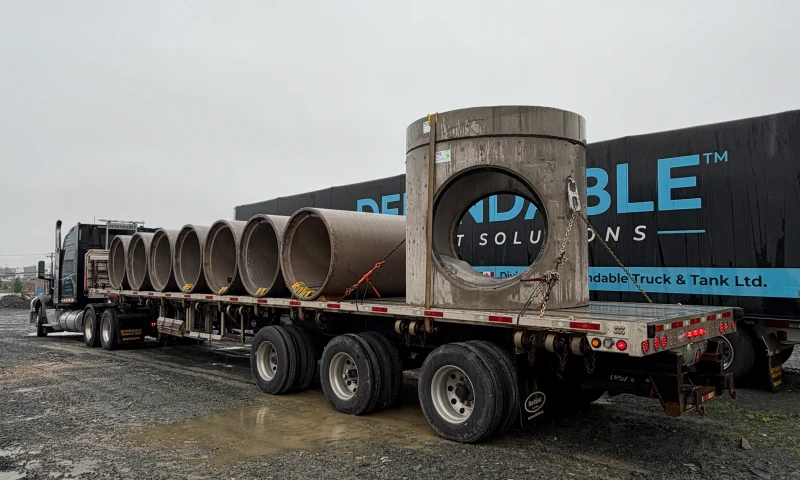
- Steel pipe, casing and line pipe
- Valve packages, manifolds and skid-mounted assemblies
- Industrial pumps, compressors and drive units
- Generator sets and gensets on skids
- Turbine components and generation equipment
- Solar racking, mounting structures and panel pallets
- Structural steel for substation and plant construction
- Control buildings, e-houses and modular enclosures
- Insulators, hardware and palletized electrical supply
- Utility poles, crossarms and line construction materials
- Construction & maintenance equipment for energy sites
Energy Organizations We Move Freight For

Electrical Utilities and Distributors
Utilities and local distribution companies moving transformers, poles, conductor and line hardware for maintenance programs and capital projects. Freight is repetitive in type but variable in destination, often reaching rural or constrained sites.

Renewable Energy Developers
Solar and wind project teams coordinating component deliveries against construction sequencing. Volume arrives in waves, and site access is frequently temporary or unpaved.

EPC Contractors and Project Builders
Engineering and construction firms delivering substations, generation facilities and infrastructure upgrades. They manage multi-load programs where arrival order and lay-down space govern the schedule.

Equipment Manufacturers and Fabricators
Producers of switchgear, skids, e-houses, tanks and fabricated assemblies shipping finished units to project sites. Loads are heavy, single-piece and dimensionally specific.

Oil, Gas and Pipeline Operations
Operators and service companies moving pipe, valves, pumps, compressors and field equipment. Freight runs to remote or industrial sites with variable access conditions.

Electrical Wholesalers and Supply Houses
Distributors serving contractors and utilities with cable, hardware, fittings and stock inventory. High shipment frequency at moderate size, suiting partial loads and recurring schedules.
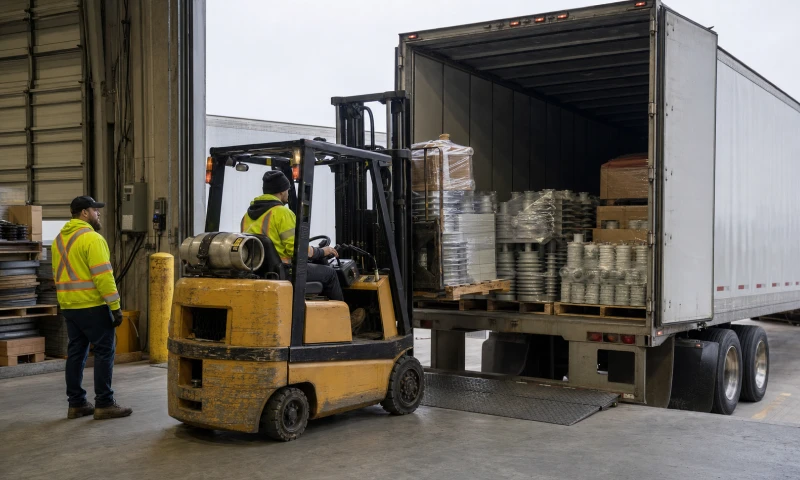
Service Options for Energy Freight
Less Than Truckload (LTL)
Full Truckload (FTL)
Heavy Haul
Deciding How a Load Should Move
| Service | Best For | Capacity | Typical Aerospace Cargo |
|---|---|---|---|
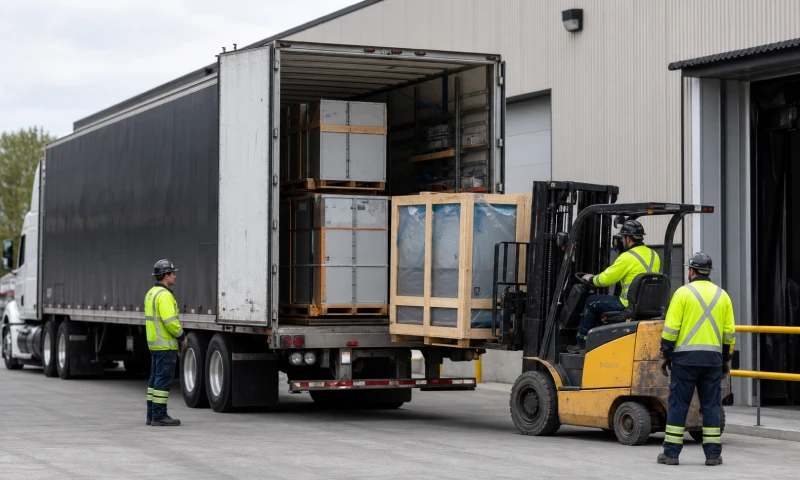
| LTL | Partial loads, recurring small shipments | 1 to 6 pallets typical | Machined parts, fasteners, hardware, crated avionics |
| FTL | Full or exclusive-use loads | Full trailer | Sub-assemblies in fixtures, consolidated pallets, composite panels |
| Heavy Haul | Oversized or overweight freight | Specialized equipment | Assembly jigs, machine tools, test rigs, large structures |
Deck Equipment and Why It Decides the Route
Roll-Tite
Flatbed
Step Deck
Lowboy
RGN (Removable Gooseneck)
- Equipment and route feasibility are confirmed per shipment following review of dimensions, weight and distribution, loading method, securement and corridor restrictions. Listed types reflect fleet capability rather than guaranteed availability for a specific load or date. Certain project cargo exceeds what standard heavy haul equipment can accommodate and requires specialized carriers, and we will identify that during assessment rather than at the roadside.
Where We Operate
- Ontario
- East Coast
Ontario to the East Coast
- Ontario
- East Coast
East Coast to Ontario
- Coverage is domestic Canadian: Ontario, Quebec and approved Atlantic Canada destinations, confirmed at quoting.
How a Project Move Comes Together
1.
Dimensional and weight capture.
2.
Route feasibility review.
3.
Equipment selection.
4.
Permitting and approvals.
5.
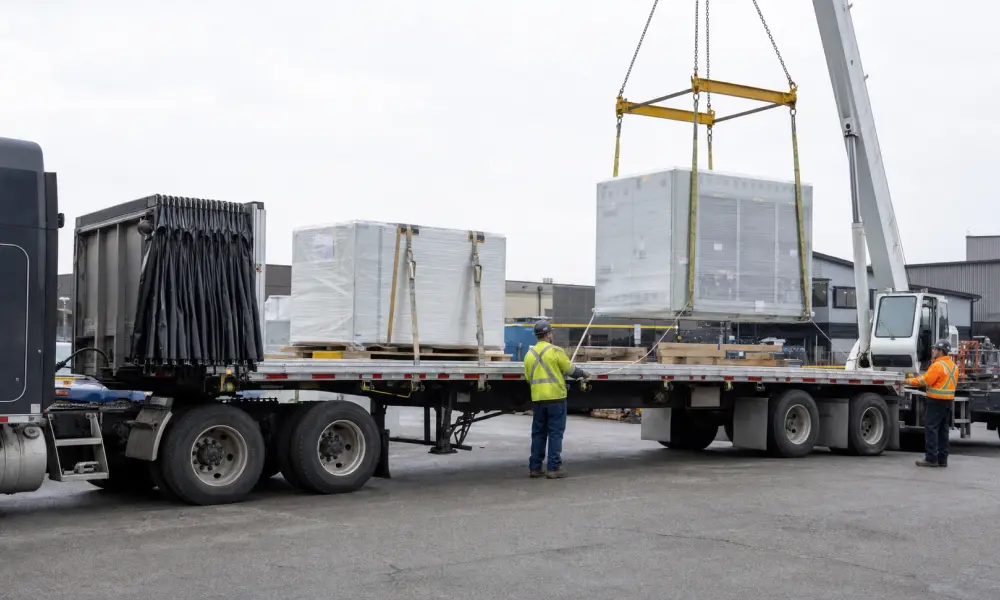
Site and lift coordination.
6.
Sequenced delivery.
What Energy Clients Get From This Relationship

Route Feasibility Before Commitment
We establish whether a movement is possible and what it requires before a date is agreed, which prevents a schedule built on an assumption that permitting later contradicts.

Permit Work Handled in Planning
Permitting requirements are identified as part of the planning process rather than surfaced as a delay after booking.

Project Sequencing
Multi-load programs can be scheduled so components arrive in the order construction needs them, which protects laydown space and crane time.

Mixed Load Capability
Palletized supply, consolidated project freight and permit-level single pieces can run through one contact rather than separate carrier relationships for each tier.

Site Reality Factored In
Ground conditions, temporary access and lift arrangements are confirmed during planning, because a delivery a truck cannot complete is not a delivery.

Honest Capability Limits
Where a piece exceeds what we should be carrying, we say so during assessment and you keep the time you would otherwise lose.
Energy Freight Questions We Are Asked
How much lead time does a transformer move need?
Do you handle the permits, or do we?
Can you deliver to a site with no dock and no paved access?
Can you sequence deliveries across a multi-load project?
How do you handle cable reels?
Get in Touch with Dependable Freight Solutions