
Heavy Haul Trucking Services for Oversize and Overweight Freight

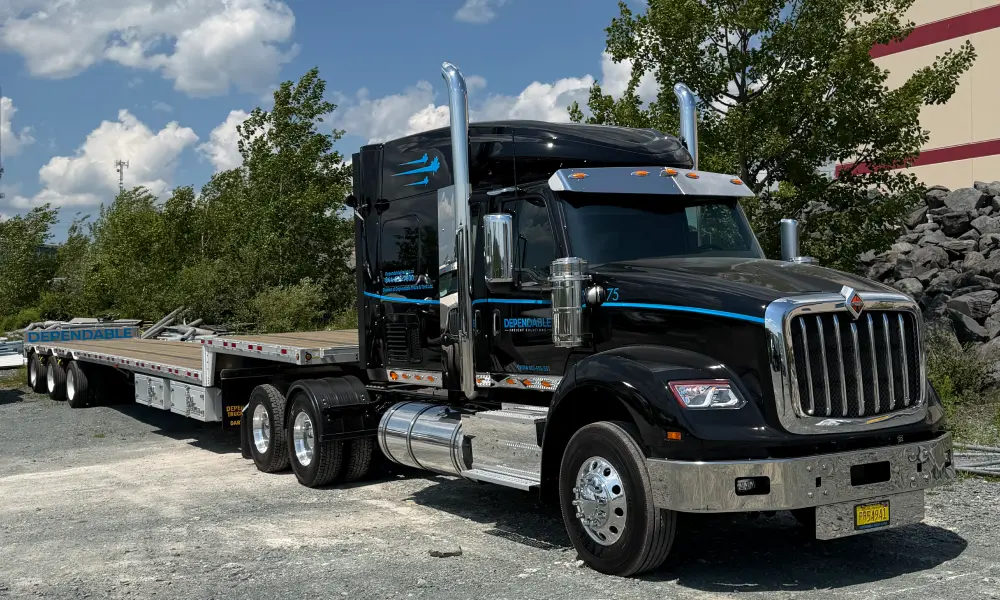
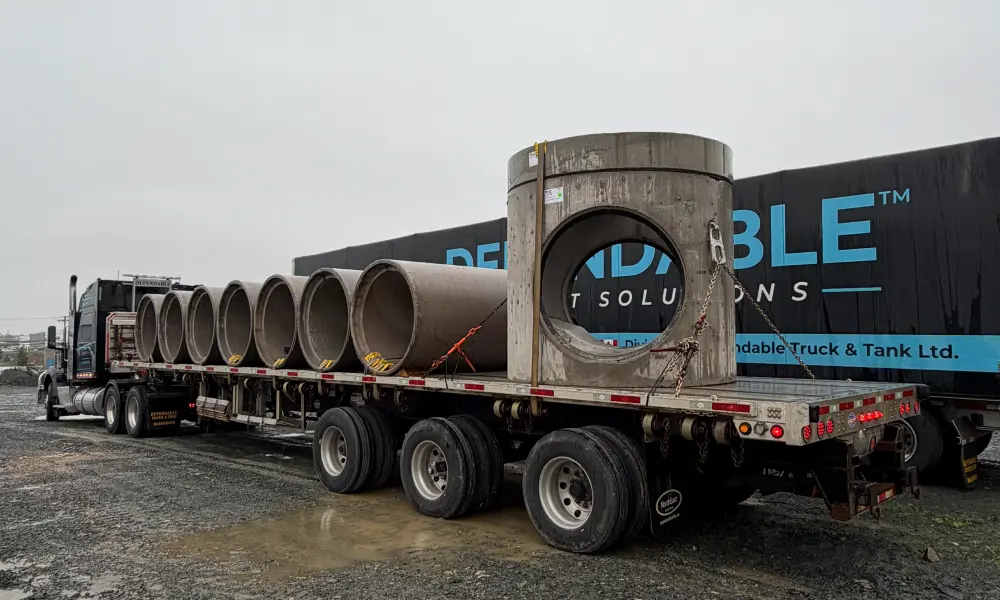
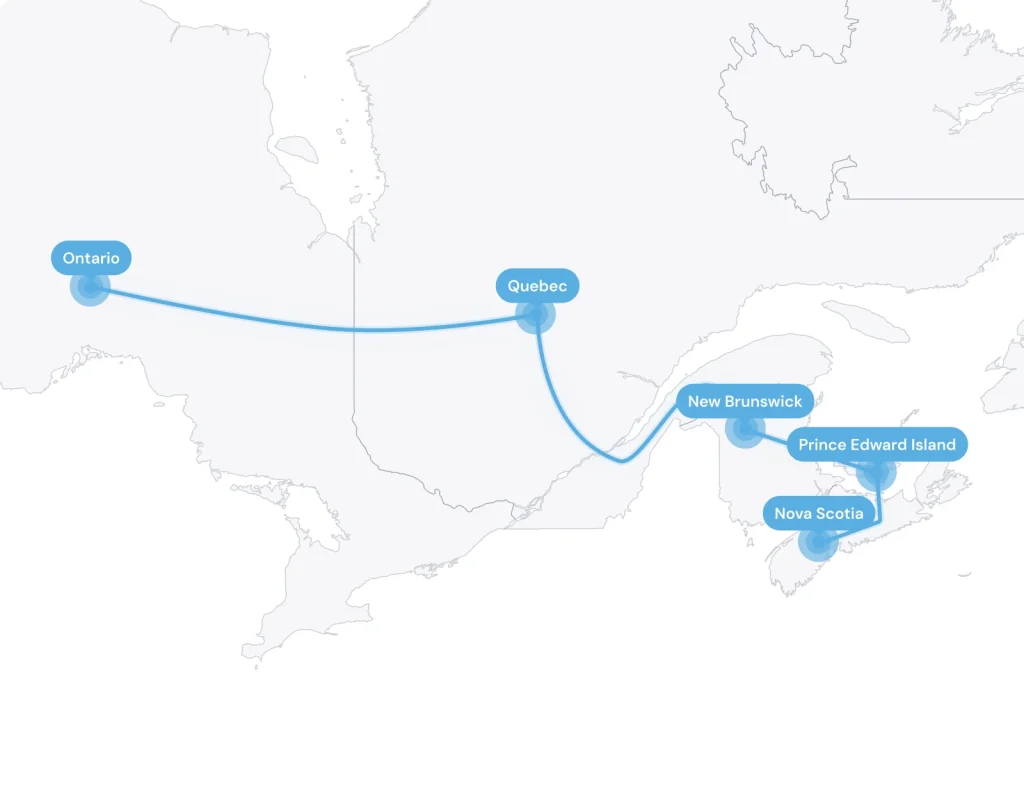
Some loads will never fit a standard trailer. When your freight is too tall, too wide, too long or too heavy for conventional equipment, it needs specialized trailers, engineered load planning and permits. Dependable Freight Solutions moves oversize and overweight loads all across Canada, with a heavy haul truck fleet built for machinery, equipment and structural cargo. Our lanes run in both directions between Ontario and the East Coast, and outward to service areas across the country, so freight moves to you as readily as it moves from you. Share your dimensions and weight, and we will plan the move.

What Is Heavy Haul Trucking?

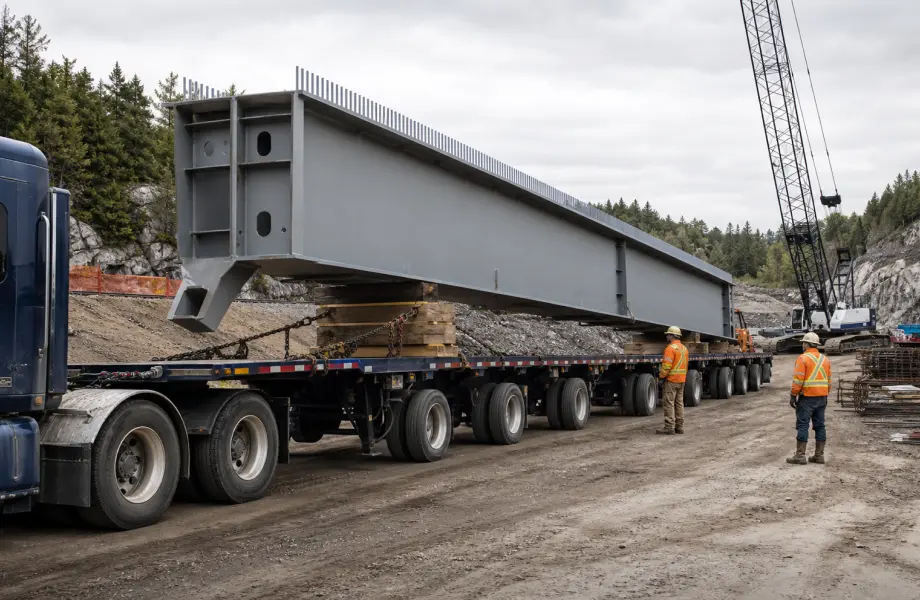
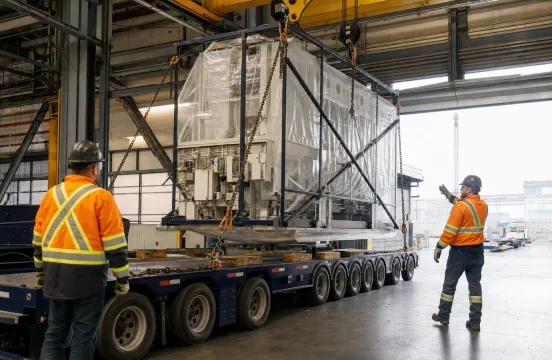
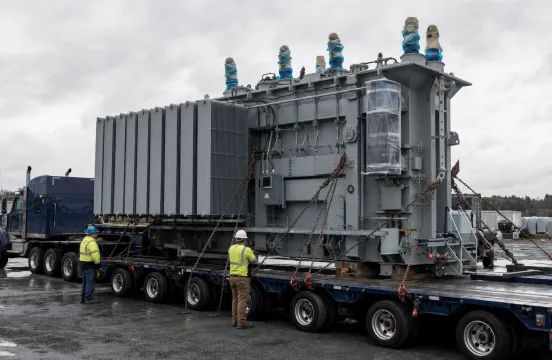
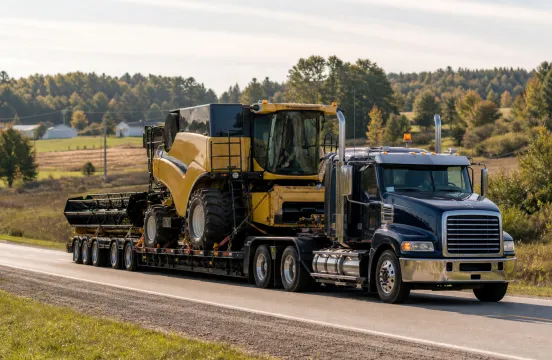
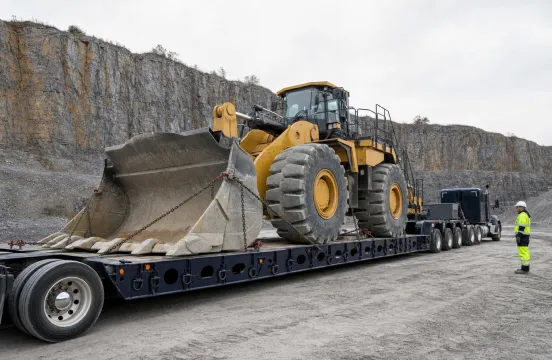
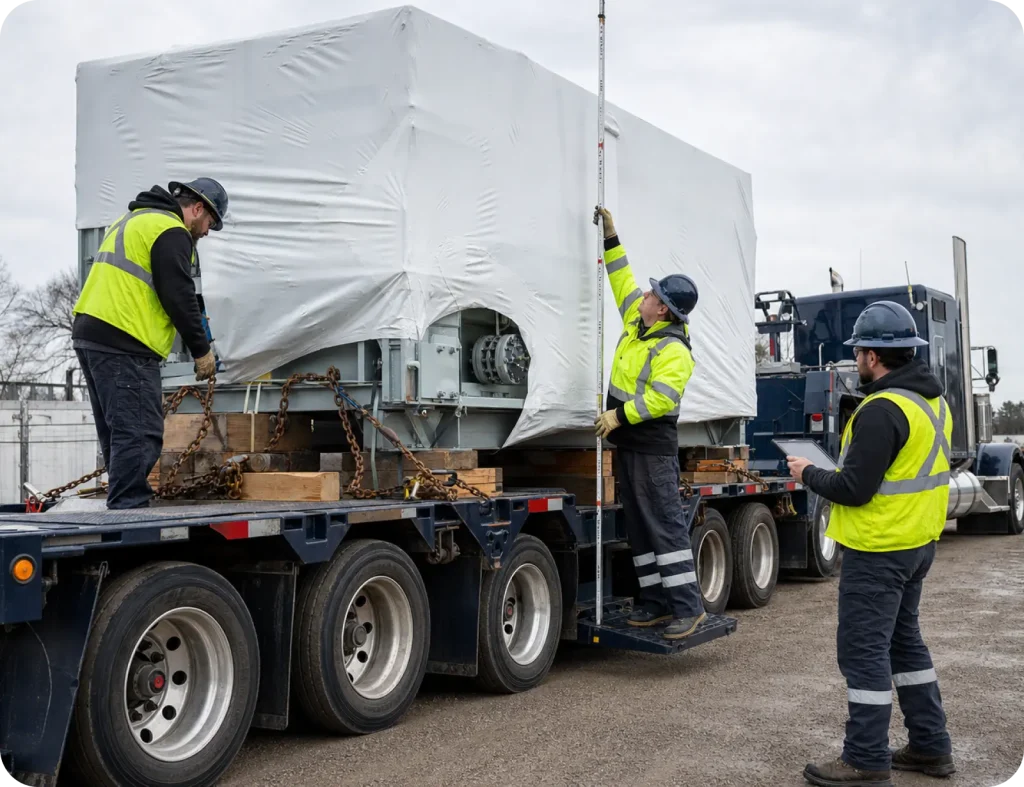
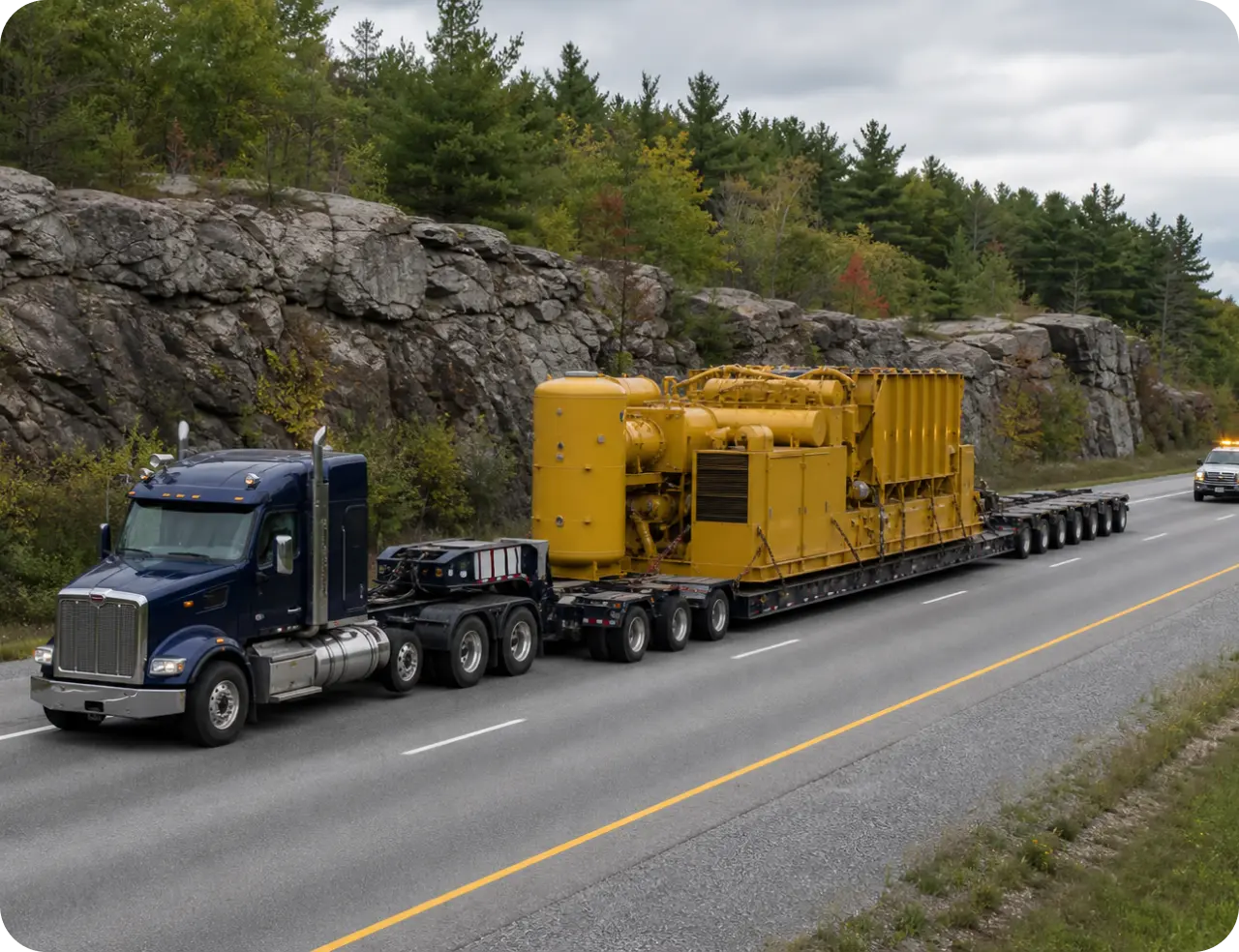
Heavy haul trucking is the movement of freight that exceeds the legal size or weight limits allowed for standard trailers. Once a load passes those thresholds, it can no longer travel as ordinary truckload freight. It requires specialized trailers, route planning around bridges and clearances, provincial permits, and, in some cases, escort vehicles.

Every province sets its own limits, so a load that moves freely on one route may need a permit on another. That is why heavy hauling starts with dimensions rather than with a truck. We take your height, width, length and weight first, then work backwards to the trailer, the route and the approvals the move will need. As a Canadian carrier running loaded lanes in both directions between Ontario, Quebec and the Atlantic provinces, we build each heavy haul move around what the freight actually measures.

Is Heavy Haul Transport the Right Choice for Your Load?

Not every large shipment is a heavy haul shipment. Knowing which side of the line your freight falls on saves time and avoids a truck arriving that cannot legally carry the load.
If your load is small or occasional, less-than-truckload service is often the smarter spend. If it exceeds legal trailer dimensions, heavy haul is the right path. Compare our LTL Shipping and Heavy Haul Transportation services. Not sure where your freight fits? Our team can review the details and recommend the best option.

Heavy haul is usually required when your freight is:

Standard freight service may be enough when you have:

Benefits of Heavy Haul Freight Service

Equipment matched to the load.

Lowboy, RGN, step deck and flatbed trailers each solve a different clearance or loading problem, so the freight is not forced onto the wrong deck.

Permit and route handling.

Oversize moves need approvals and cleared routes. Managing that work upfront prevents delays, rerouting, and stopped trucks.

Freight travels assembled.

Machinery and equipment can move in one piece rather than being disassembled and rebuilt at the destination.

Load engineering and securement.

Weight distribution, tie-down points, and axle loading are planned before the freight leaves the yard.

Two-way lane coverage.

Because our trucks run loaded in both directions between Ontario and the East Coast, return capacity is available rather than being an afterthought.
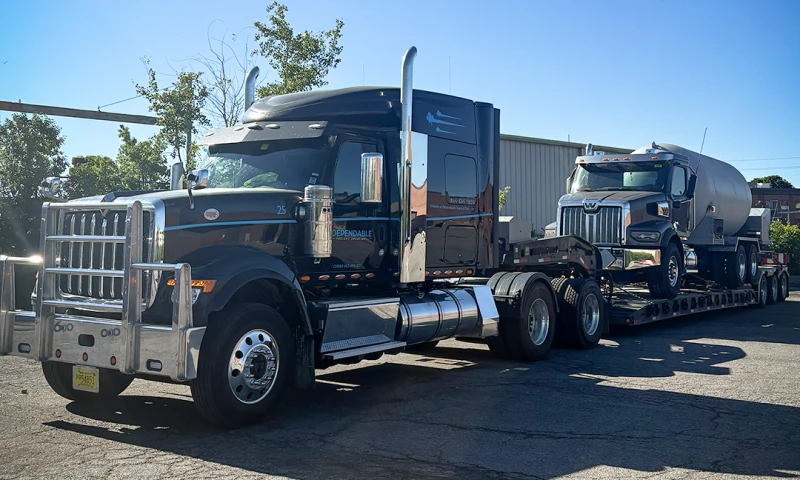
Not sure FTL is your cheapest option?

Send us the details and we will help you find out.

How Heavy Haul Shipping Works

1.

Send your dimensions and weight

Provide exact height, width, length and gross weight, plus the freight description, origin, destination and requested date. Accuracy matters more here than on any other freight service.

2.

Select the trailer.

We confirm the deck type your load requires, whether that is a lowboy for maximum height clearance, an RGN for drive-on loading, a step deck for moderate height, or a flatbed for open-deck access.

3.

Plan the route and permits.

We map a route around bridge heights, weight-restricted structures, and clearance points, then arrange the provincial permits the move requires.

4.

Load and secure.

The freight is loaded, positioned for correct axle weight distribution, and secured for transit.

5.

Transport and delivery.

The load moves along the approved route to the destination, with escort vehicles where the permit requires them.

Flatbed & Heavy Haul vs Standard Truckload: What Changes

Factor Heavy Haul Standard FTL
Load size Exceeds legal dimensions or weight Within legal trailer limits
Equipment Lowboy, RGN, step deck, extendable trailers Dry van, flatbed, Roll-Tite
Permits Required, and vary by province Not required
Escorts May be required by permit Not required
Routing Engineered around clearances and bridge limits Standard highway routing
Lead time Longer; permits take time to secure Shorter
Pricing basis Load specifics, equipment, permits, route Lane and mileage
A practical rule: if any single dimension or the gross weight exceeds what a standard trailer can legally carry, the shipment moves to heavy haul regardless of how much floor space it occupies. See our FTL Shipping page for loads that stay within legal limits.

Heavy Haul Trailer Types We Operate

The right deck depends on how tall the freight sits, how it loads, and how the weight is distributed. Selecting the wrong trailer is the most common reason an oversize move stalls before it starts.

Lowboy

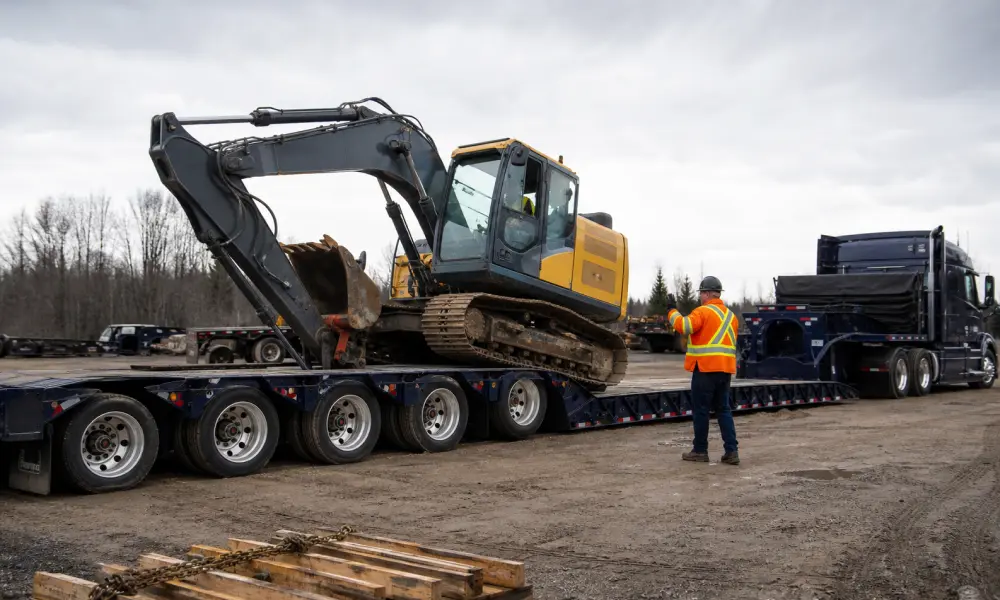
A heavy-haul lowboy trailer sits low to the ground, providing maximum vertical clearance for tall machinery and equipment. Our heavy haul lowboy trailers are the standard choice when height is the binding constraint. See our Lowboy Trailers.

RGN (Removable Gooseneck)

The front of the trailer detaches to form a ramp, allowing wheeled and tracked equipment to drive on and off under their own power rather than being lifted. See our RGN Trailers.

Step deck

A drop in deck height provides more clearance than a flatbed for cargo that is tall but does not need a full lowboy. See our Step Deck Trailers.

Flatbed

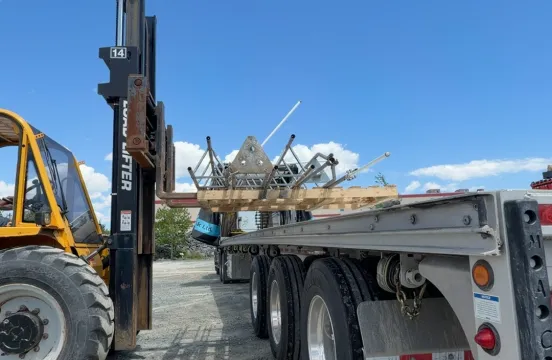
Open-deck access from the sides, rear, and overhead for freight that loads by crane or forklift and stays within legal height limits. Suitability depends on the dimensions and weight of the piece. See our Flatbed Trailers.

Industries That Rely on Heavy Equipment Hauling

Sectors that move machinery, structural components and production equipment depend on specialized deck capacity. Heavy machinery hauling requirements differ by industry, and we plan each load around the freight rather than around a default trailer.
Our heavy equipment hauling services cover both new equipment deliveries and relocation of in-service machinery between sites. For steady programs, industrial heavy-haul transport can be arranged regularly rather than load by load.

Book Heavy Haul Services All Across Canada

We move oversize and overweight freight across approved Canadian destinations, with our densest lane running in both directions between Ontario, Quebec and the Atlantic provinces. That two-way flow matters. Equipment heading east is matched with freight heading west, so a load originating on the East Coast does not wait for a truck to be repositioned. Heavy haul Canada coverage on any given lane depends on your origin, destination, dimensions, and schedule, so we confirm routing when you request a quote.
Route and provincial links:
Businesses can book a single oversize move or arrange recurring heavy haul transport services across approved service areas.

How to Prepare an Oversize Load Transport Shipment

Preparation on a heavy haul move starts well before the truck arrives, because permits and route approvals depend on information you supply.
Heavy haul preparation checklist:
An inaccurate weight or missed dimension is the single most common cause of a heavy haul delay, because it can invalidate a permit and stop the load at a scale.

Why Choose Dependable Freight Solutions Among Heavy Haul Trucking Companies

Two-way corridor capacity.

Our trucks run loaded in both directions between Ontario, Quebec, and the East Coast, which supports availability for eastbound and westbound freight alike.

Specialized fleet.

Lowboy, RGN, step deck, flatbed and Roll-Tite equipment operated in-house rather than sourced load by load.

Dimension-first planning.

Every move starts from measured height, width, length and weight, so the trailer and route are confirmed before dispatch.

Permit and route management.

Provincial approvals and clearance routing handled as part of the move.

Clear communication.

Responsive support through quoting, permitting, loading and delivery.

Flexible capacity.

Support for one-time oversize moves and recurring equipment programs.
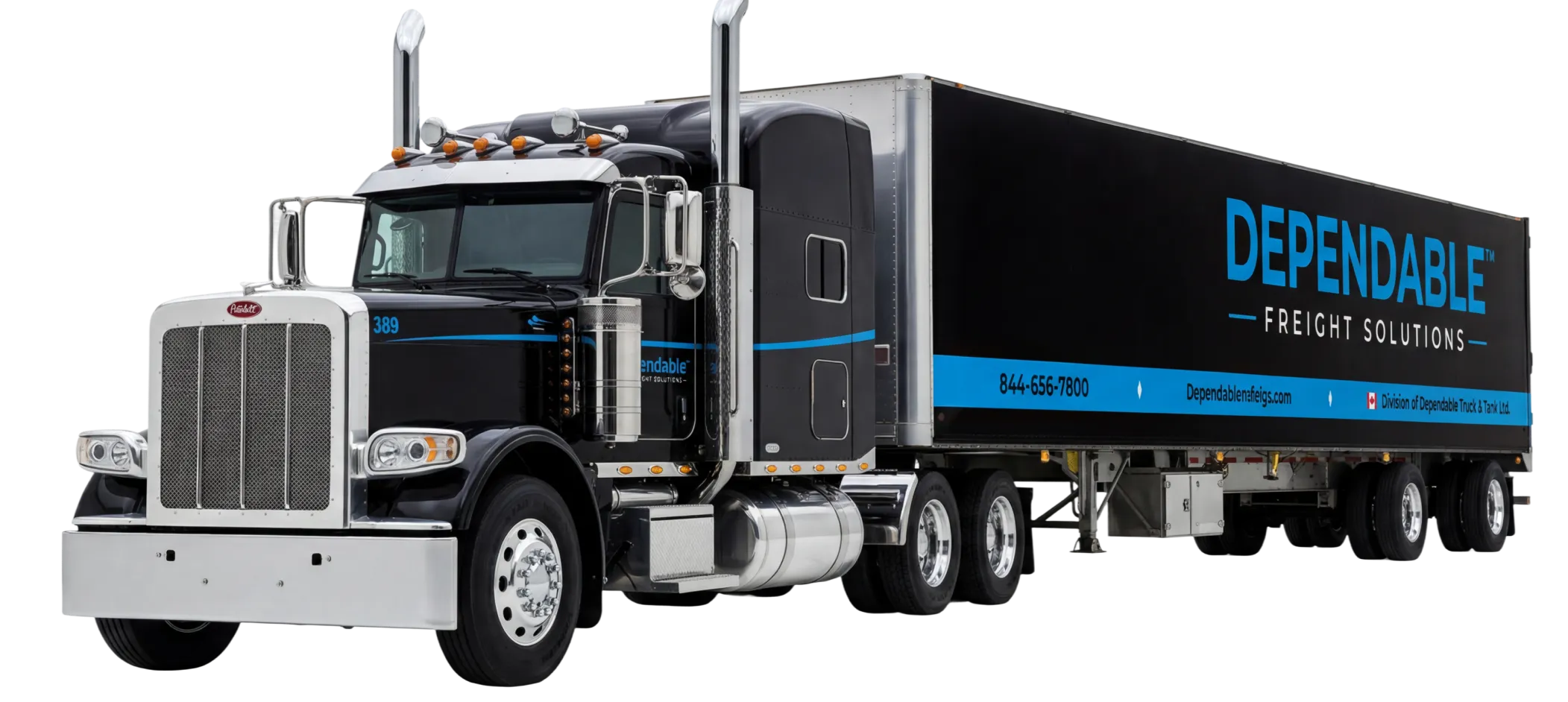
Unlike heavy haul companies that broker every load to a third party, we plan the move against equipment we operate. Among heavy haul carriers working the Eastern Canadian corridor, that direct control is what keeps schedules realistic.

Frequently Asked Questions

What is considered a heavy haul load?
A load is heavy haul when it exceeds the legal height, width, length, or weight limits for standard trailers in the provinces it travels through. Limits vary by jurisdiction, so the same load can be legal on one route and oversize on another.
It depends on the load. Lowboys give maximum height clearance, RGNs allow equipment to drive on and off, step decks handle moderate height, and flatbeds carry loads that fit within height limits but need open-deck access.
Yes. Oversize and overweight moves require permits from each province the load travels through, and permits are issued against the dimensions and weight you declare.
Sometimes. Escort or pilot car requirements are set by permit conditions and depend on the load’s width, height, and the route being travelled.
Earlier than standard freight. Permits take time to secure and route surveys may be needed, so building in lead time reduces the risk of a delayed departure.
Pricing reflects the load’s dimensions and weight, the trailer required, permit costs, escort requirements, route distance, and any special loading equipment, rather than a flat per-mile rate.
Often, yes. Moving equipment in one piece is one of the main reasons shippers choose heavy haul logistics over disassembly and reassembly at the destination.
We coordinate oversize freight across approved Canadian destinations, with heavy lane density running both ways between Ontario, Quebec, and the Atlantic provinces. Share your origin and destination, and we will confirm coverage.
Yes. We support single oversize shipments and ongoing equipment programs for businesses with repeat volume.

Get a Custom Heavy Haul Quote

Tell us what you are moving, how much it measures and weighs, where it needs to go and when. Our team will confirm the trailer, map the route, identify the permits your move requires, and plan a heavy haul freight transport shipment around your schedule.
Every oversize move is quoted from real dimensions, not from a rate table, so the more precise your measurements, the more accurate your quote.